Blog

EV

Blog

  • Revolutionizing Liquid Nitrogen Injection Systems: The Innovation of Linear Push-Pull Automatic Valves with GEKO
    Revolutionizing Liquid Nitrogen Injection Systems: The Innovation of Linear Push-Pull Automatic Valves with GEKO
    Jan 30, 2026
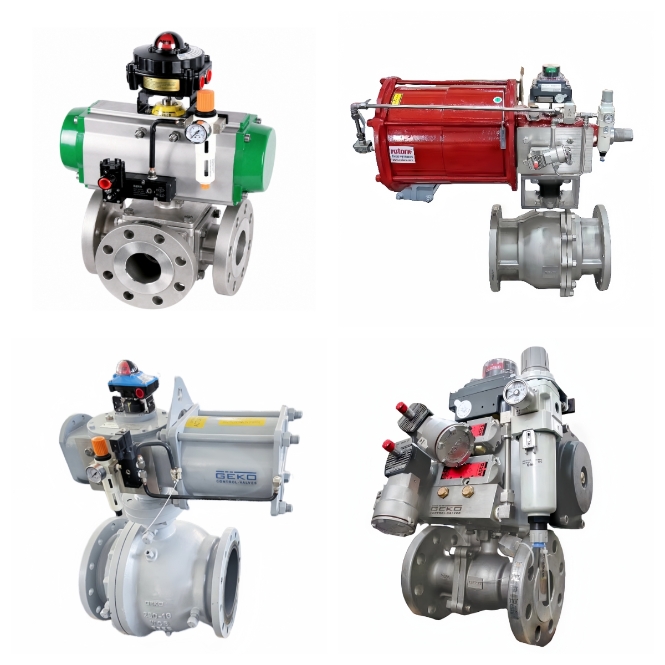
    Introduction   In the world of cryogenics, particularly in liquid nitrogen injection systems, traditional valves, such as angle valves, have long relied on manual operation with a rotational structure and threaded components. This setup requires operators to wear heavy protective gear in extremely cold environments, reducing efficiency and introducing significant safety risks. This article explores a groundbreaking solution that replaces manual valves with automated ones driven by pneumatic or electric actuators. By incorporating a linear push-pull mechanism instead of the traditional rotational structure, this innovative design offers improved performance, speed, and safety, making it an ideal solution for low-temperature fluid control. GEKO, a trusted name in valve technology, has embraced this innovation to deliver high-performance solutions for critical cryogenic applications.     Limitations of Traditional Manual Valves   Traditional angle valves in liquid nitrogen systems face numerous challenges:   1) Low Operational Efficiency: The time-consuming manual rotation of the valve stem delays response time, especially in emergencies.   2) Poor Low-Temperature Adaptability: Threaded structures are vulnerable to cold contraction, leading to seal failure or component wear, which increases the risk of leaks.   3) Safety Hazards: Operators are exposed to extreme cold, and the cumbersome manual operation, often hindered by thick gloves, can lead to errors that jeopardize both personnel and equipment safety.   4) High Maintenance Costs: Frequent seal inspections and component replacements drive up long-term operational expenses.   The Solution: Linear Push-Pull Automatic Valves   The core innovation involves replacing manual valves with automatic valves powered by pneumatic or electric actuators, offering a linear push-pull motion instead of the traditional rotational movement:   1) Pneumatic Actuators: These utilize compressed air to drive a piston, allowing for rapid valve opening and closing, ideal for high-frequency operations.   2) Electric Actuators: Electric motors power gears or screw mechanisms to achieve precise linear movement, making it easier to integrate with automated control systems.   3) Linear Push-Pull Mechanism: Eliminating the need for rotational movement simplifies the operational process, reduces component wear, and extends the lifespan of the valve.   Optimized for Low-Temperature Environments   To address the extreme cold of liquid nitrogen (-196°C), the upgraded design includes the following features:   1) Material Selection: Stainless steel or special alloys are used to ensure structural stability and leak-proof performance even in low temperatures.   2) Self-Sealing Mechanism: The valve automatically forms a seal when closed, preventing leakage due to cold contraction and ensuring reliable operation.   3) Freeze Protection: Actuators are equipped with heating elements or insulation layers to prevent freezing of the moving components, ensuring continuous operation.   Enhancing Safety and Efficiency    - Improved Operator Convenience: The linear push-pull movement simplifies valve operation, eliminating the need for complex training. Operators can control the valve remotely via a control panel, further reducing the exposure to hazardous environments.   - Faster Response Time: Linear motion is quicker than rotational movements, reducing the time taken to open and close the valve, thus increasing system throughput.   - Enhanced Safety: The reduction of manual intervention decreases the likelihood of operator errors, reducing the risk of leaks and equipment damage. The design adheres to the strictest safety regulations.   - Reduced Maintenance: The self-sealing design and the simplified linear structure minimize component wear, lowering maintenance frequency and extending the valve's service life.   Applications and Benefits   Liquid Nitrogen Injection Systems   In liquid nitrogen injection applications, the modified automatic valve system delivers exceptional results:   - Rapid Injection: The linear push-pull drive quickly opens the valve, significantly improving the speed of nitrogen injection and reducing waiting times.   - Reliable Sealing: The optimized sealing mechanism ensures stability even in low temperatures, preventing leaks and guaranteeing safe operations.   - Simplified Operation: The pneumatic or electric control options support remote operation, minimizing the risk of personnel exposure to low-temperature environments, thus enhancing safety.   Other Cryogenic Fluid Systems   This innovation can be extended to other cryogenic fluids such as liquid oxygen or carbon dioxide, providing similar improvements in operational convenience and safety. The solution is ideal for laboratories, medical facilities, and industrial applications where low-temperature fluids are critical.   Conclusion   The conversion of traditional manual angle valves to automatic valves driven by pneumatic or electric actuators with a linear push-pull mechanism represents a revolutionary shift in cryogenic fluid control. This innovation significantly improves operational convenience, system efficiency, and safety while reducing maintenance requirements. GEKO, with its cutting-edge technology, offers this solution not only for liquid nitrogen injection systems but also for a wide range of cryogenic applications, ensuring a more reliable and efficient way to manage low-temperature fluids. This advancement marks a significant step forward in the industry, offering enhanced performance and reliability for the most demanding environments.
    DEVAMINI OKU
  • Danfoss Launches the New OFB Series Ball Valve
    Danfoss Launches the New OFB Series Ball Valve
    Jan 27, 2026
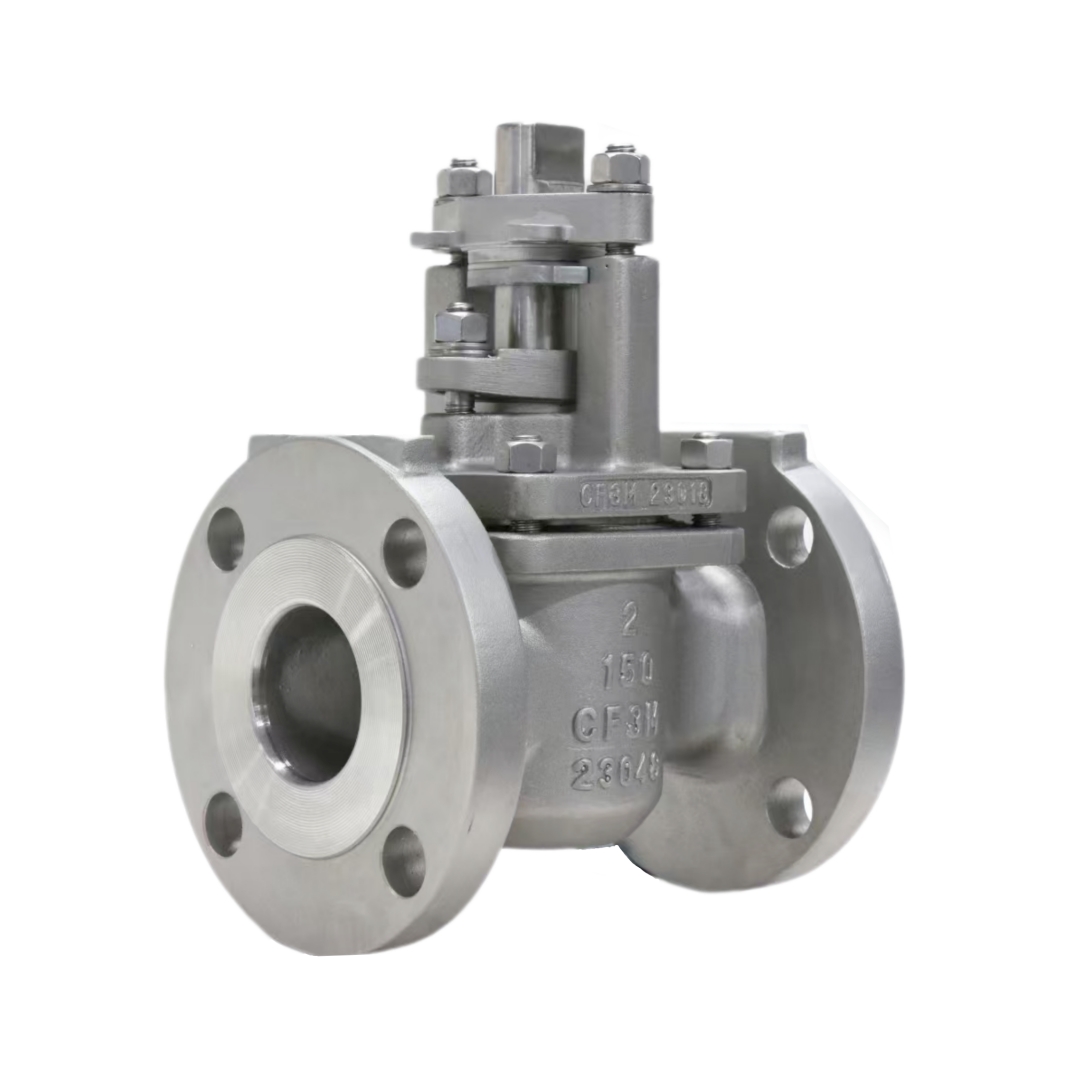
    Recently, Danfoss launched the new OFB series shut-off ball valves, designed specifically for oil-free chillers and heat pump systems that incorporate Turbocor® compressors.   The OFB series provides a higher level of operational protection for oil-free systems, especially for applications in data centers and high-end HVAC (Heating, Ventilation, and Air Conditioning) systems. This valve focuses on enhancing the reliability of the suction side and features an innovative "three-in-one" integrated design. According to Danfoss, it combines the suction conical transition section, tight shut-off function, and fully automated control capability into a single unit, significantly simplifying system layout and improving overall performance.     The new OFB series uses a fully modular structure, seamlessly compatible with all Danfoss Turbocor® TGx and TTx compressors. The product offers 12 different inlet flange specifications (including 3-inch, 4-inch, and 5-inch), making it suitable for both new projects and upgrades to existing systems. Additionally, the series supports various international connection standards such as ANSI, ASTM, DIN, and EN, ensuring installation flexibility worldwide.   Thanks to its robust and reliable structural design, the OFB valve operates stably in a wide temperature range of –40°F to +212°F (approximately –40°C to +100°C). Whether in cold or high-temperature environments, it ensures long-term, reliable, and efficient operation of the system.   The product's performance features are as follows:   High-Cycle Design of Stem and Seat for Excellent Reliability:   Strong and reliable sealing performance   Tight shut-off ball valve structure   Low torque design extends the life of the valve and actuator   Modular Flange System Compatible with Various Piping Standards for Easy Integration and Installation:   Welding and brazing connections for standard pipes and elbows   Can be directly equipped with actuators – in accordance with ISO 5211-F07/17 mm standards. After the actuator is installed, it allows for electric control.   Achieves High System Efficiency through Smooth Air Intake Flow, Low Pressure Drop, and Low Fluid Turbulence:   Efficient design: Directly mounted on compressors   Low torque requirement – an 80Nm rated torque 90° actuator is sufficient, extending the service life.
    DEVAMINI OKU
  • GEKO DBB Hard Sealed Ball Valve – Zero Leakage for Natural Gas and Hydrocarbon Gases
    GEKO DBB Hard Sealed Ball Valve – Zero Leakage for Natural Gas and Hydrocarbon Gases
    Jan 27, 2026
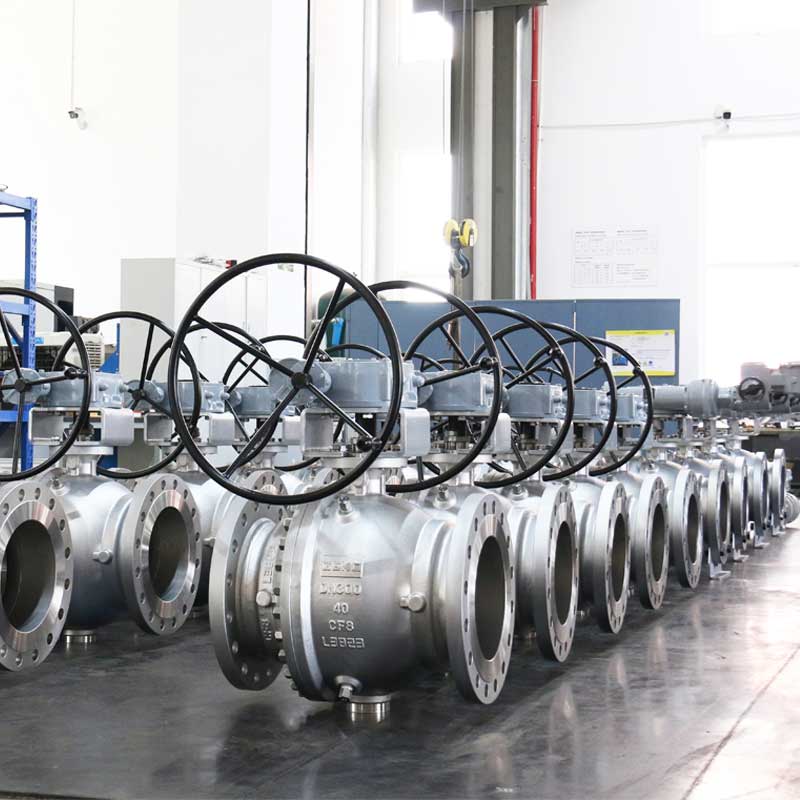
    In the critical stages of natural gas and hydrocarbon gas transportation, valve performance directly affects both safety and efficiency. GEKO’s latest shipment of the DBB (Double Block and Bleed) Hard Sealed Ball Valve has received exceptional feedback from clients, thanks to its ISO 5208 standard gas-tight sealing performance with Rate A zero leakage.     DBB Hard Sealed Ball Valve: The Ideal Choice for Natural Gas and Hydrocarbon Gas Applications   1.1 Core Features: Zero Leakage Sealing and Extreme Condition Adaptability   The GEKO DBB Hard Sealed Ball Valve employs a metal-to-metal sealing design, achieving gas-tight sealing through precision-ground valve seats and ball contact surfaces. It meets the ISO 5208 Rate A leakage standard, fully preventing gas leakage during high-pressure tests. This ensures it meets the stringent zero leakage requirements for natural gas pipelines. The valve body is made from high-strength alloy steel, heat-treated to a hardness of over HRC 60, significantly improving wear resistance and ensuring long-term stable operation in the corrosive environments of hydrocarbon gases like methane and propane.   1.2 Structural Advantages: Dual Isolation and Safety Redundancy   The DBB design includes two independent sealing surfaces with a middle bleed valve, creating a dual isolation barrier. If the primary seal fails, the backup seal immediately activates, while the bleed valve releases residual gas, preventing pressure buildup. This design is crucial in natural gas processing plants, where it effectively prevents leakage-related explosion risks. The valve body is modular, making on-site maintenance easier and reducing downtime.   1.3 Performance Parameters: Covering Full-Spectrum Demands   Pressure Range: Class 150 to Class 1500, suitable for varying pressure levels from low-pressure gathering to high-pressure long-distance pipelines.   Temperature Range: -46°C to 200°C, covering extremely cold areas and high-temperature refining environments.   Nominal Diameter: DN 15 to DN 600, meeting flow control needs from small branch lines to main pipelines.   Actuation Methods: Supports manual, pneumatic, electric, and hydraulic actuators, compatible with automation control systems.     2. In-Depth Analysis of Natural Gas and Hydrocarbon Gas Application Scenarios   2.1 Natural Gas Transport: Core Component for Long-Distance Pipelines   In long-distance natural gas pipelines, the DBB Hard Sealed Ball Valve serves as a critical shut-off device, performing the following functions:   High-Pressure Control: In Class 900 and above pressure pipelines, valves need to endure frequent open/close operations. GEKO valves have passed fatigue tests, maintaining seal integrity after 100,000 cycles.   Emergency Shutdown: When linked to SCADA systems, the valve can open or close fully within 5 seconds, responding to pipeline leak alarms.   Pipeline Cleaning: The quick-opening and closing function of the ball valve, in conjunction with a pigging device, ensures the removal of impurities from the pipeline, maintaining efficient transport.   2.2 Hydrocarbon Gas Processing: Reliable Support for Refining and LNG Facilities   In LNG (Liquefied Natural Gas) receiving stations and refineries, valves face dual challenges of low temperatures and corrosion:   Low-Temperature Sealing: Special low-temperature sealing materials maintain elasticity at -196°C, preventing leaks caused by cold shrinkage.   Corrosion Protection: The valve body is coated with a nickel-based alloy coating, resisting corrosion from acidic gases such as H₂S and CO₂, prolonging service life.   Process Isolation: In distillation towers, compressors, and other equipment, the valve enables precise flow control of hydrocarbon gases, supporting process optimization.   2.3 Typical Application Cases   Case 1: In a multinational natural gas pipeline project, after adopting GEKO DBB Ball Valves, the leakage rate dropped from the industry average of 0.5% to 0%, saving over $2 million in annual maintenance costs.   Case 2: In a Middle Eastern refinery’s high-temperature cracking unit, GEKO valves have been in continuous operation for 3 years without seal failure, replacing the original imported product.   3. How to Match Requirements with Product Features 3.1 Key Parameter Selection   Pressure Rating: Choose valves with Class 300 to Class 1500 ratings based on pipeline design pressure to avoid overpressure risks.   Temperature Range: Opt for low-temperature valves in cold regions, while high-temperature environments require consideration of heat dissipation designs.   Actuation Method: For remote control scenarios, electric actuators are recommended, while pneumatic drives are ideal for emergency shutdown systems.   3.2 Installation and Maintenance Tips   Pre-Installation Check: Confirm the valve’s flow direction marking matches the pipeline and that the flange connection surfaces are clean and undamaged.   Seal Grease Injection: Use specialized seal grease to enhance low-pressure sealing, ensuring the injected amount complies with manufacturer specifications.   Regular Maintenance: Check seat wear every 6 months and perform gas-tightness tests annually. Replace aging components promptly.   3.3 Industry Standards and Certifications   ISO 5208 Certification: Ensures the valve passes stringent gas-tight tests, with a leakage rate lower than 0.01%.   API 6D Compliance: Meets petroleum and natural gas industry standards, ensuring reliability in design, manufacture, and inspection.   CE Certification: Complies with EU pressure equipment directives, supporting global procurement.   Choose GEKO Valves Today: Visit the GEKO website or contact authorized distributors. info@geko-union.com
    DEVAMINI OKU

  • Introduction to Control Valve Physics: The Game Between Pressure, Flow Velocity, and Energy Dissipation
    Introduction to Control Valve Physics: The Game Between Pressure, Flow Velocity, and Energy Dissipation
    Jan 21, 2026
    In process industries, we are used to talking about valve opening, flow rate, and pressure differential. However, if we look at a control valve through the lens of fluid mechanics, we quickly realize that it is far more than a simple mechanical device for regulating flow.   A control valve is, in fact, a precise energy conversion machine.   Why does a high pressure drop generate deafening noise? Why can a seemingly solid metal valve plug be “eaten away” by water through cavitation?   The answers lie in the constant competition between pressure (potential energy) and flow velocity (kinetic energy).   At GEKO, understanding this balance is fundamental to designing reliable and efficient control valves for demanding industrial applications.   01 Redefining the Control Valve: An “Energy Dissipator”   Ask an operator what a control valve does, and the answer is simple:   “It controls flow.”   Ask a fluid mechanics engineer, and the answer changes:   “A control valve is a variable resistance element that introduces pressure loss.”   The true function of a control valve is not to directly command how fast the fluid flows, but to change the flow area, forcing the fluid to consume part of its energy (pressure) and thereby alter its flow condition.       There is no free lunch in flow control.   To regulate flow, you must pay with pressure drop (ΔP).   So where does the energy go?   Most of the lost pressure does not disappear. Instead, it is converted into:   Heat (a slight temperature rise), Sound (noise), Mechanical vibration.   This process is known as energy dissipation, and it defines the real working nature of a control valve.   02 Bernoulli Equation: The Seesaw Between Pressure and Velocity   When fluid flows through a valve, it must obey the law of energy conservation.   For incompressible fluids such as water, this relationship is described by the Bernoulli equation.   There are two key players:    - Static Pressure (P) – the fluid’s potential energy    - Dynamic Pressure – the energy associated with fluid motion (velocity)   Bernoulli Equation:   Key diagram: Cross-sectional view of pressure/velocity inside the valve:          (Illustration: When a fluid flows through a narrow area, its speed rises sharply and the pressure drops sharply.)   Physical Process Explained   Acceleration through restriction When fluid is forced through the narrow gap between the valve plug and seat, its velocity must increase sharply in order to pass through.   Sudden pressure drop According to Bernoulli’s principle, when velocity increases, pressure must decrease. This is like a roller coaster: kinetic energy rises while potential energy falls.   This pressure–velocity tradeoff is at the heart of control valve fluid dynamics.   03 Vena Contracta: The Dangerous Eye of the Storm   One of the most critical concepts in control valve physics is the vena contracta.   The vena contracta is not the physical valve opening.   It is located a very short distance downstream of the valve seat, where:   Flow area is the smallest, Flow velocity is the highest, Pressure is the lowest         Why Is It So Important?   Because most destructive valve failures originate here.   If the pressure at the vena contracta (Pvc) drops below the saturated vapor pressure of the liquid, the fluid will instantly boil and form vapor bubbles — this is flashing. If pressure later recovers, those bubbles collapse violently, leading to cavitation, which can severely damage valve internals.   04 Pressure Recovery: A Double-Edged Sword in Valve Design     After fluid passes the vena contracta, the flow path expands. Velocity decreases, and pressure begins to rise again. This phenomenon is called pressure recovery.   A key dimensionless parameter is used to describe this behavior:   Pressure Recovery Factor (FL).   Pressure recovery coefficient formula:   The FL value indicates how effectively a valve converts kinetic energy back into pressure.   Two Valve Types, Two Very Different Outcomes   1.High-Recovery Valves (Ball Valves, Butterfly Valves) - Low FL value   Smooth flow path, like a racetrackPressure drops deeply, then recovers strongly.   Advantages   High flow capacity   Disadvantages   Extremely low Pvc, Very high risk of cavitation.   2. Low-Recovery Valves (Globe Valves) - High FL value (close to 0.9)   Tortuous flow path, strong turbulence   Advantages   Lower cavitation risk (Pvc does not drop too low)   Disadvantages   Larger permanent pressure loss     (Illustration: High Recovery Valve is a ball Valve/butterfly valve, and the pressure curve drops deeper; Low Recovery Valve is a stop valve, and the pressure curve is flatter.)   At GEKO, valve selection always considers pressure recovery behavior, not just flow capacity.     05 Practical Lessons for Engineers   Understanding these physical principles provides real value in valve selection and operation.   - Don’t Be Fooled by “Fully Open”   Even if flow velocity seems low at full opening, at small openings, the velocity at the vena contracta can reach extreme levels:   Liquids may form high-speed jets   Gases may approach sonic velocity   - Noise Is Energy   Loud valve noise is not just annoying — it is wasted mechanical energy. The louder the noise, the more intense the internal energy dissipation and the greater the potential damage to equipment.   - Predict Failure Before It Happens   If you know upstream pressure (P1), downstream pressure (P2), and the valve’s FL factor, you can estimate Pvc.   Contact us now for more info of control valve: info@geko-union.com   If Pvc is lower than the liquid’s vapor pressure, stop using a standard valve immediately. Otherwise, within weeks, you may find a valve plug full of holes caused by cavitation.   Contact us now for more information of control valves: info@geko-union.com  
    DEVAMINI OKU
  • How Triple Offset Butterfly Valve Geometry Achieves True Zero Leakage
    How Triple Offset Butterfly Valve Geometry Achieves True Zero Leakage
    Jan 19, 2026
    Powered by GEKO High-Performance Valve Technology For a long time, butterfly valves were seen by engineers as a purely “cost-effective” solution—lightweight, compact, simple in structure, and affordable. However, they also carried a long-standing reputation for being unreliable: - Limited to soft rubber seats - Poor resistance to high temperature and pressure  - Prone to leakage after long-term operation In demanding service conditions, the spotlight traditionally belonged to bulky globe valves. That perception changed with the arrival of a true disruptor: The Triple Offset Butterfly Valve (TOV).     By applying an elegant geometric principle, the triple offset design completely eliminates friction between metal sealing surfaces—making metal-to-metal, zero-leakage sealing a reality. This innovation gave butterfly valves the ability to challenge globe valves in critical applications.   Today, GEKO takes you inside this geometric breakthrough to reveal how three offsets create one engineering miracle.   1. The Achilles’ Heel of Traditional Butterfly Valves: Friction   To understand why triple offset valves are revolutionary, we must first examine why earlier designs fell short.   1.1 Concentric (Zero-Offset) Butterfly Valves   In concentric designs, the shaft centerline, disc center, and sealing center all coincide.   Problem: Throughout the entire opening and closing cycle, the disc continuously rubs against the seat. To maintain sealing performance, only elastic rubber seats can be used.   Rubber seats: Cannot withstand high temperatures   Age quickly:Are the root cause of leakage and short service life   1.2 Double Offset Butterfly Valves   To reduce friction, engineers introduced two offsets:   Offset 1: Shaft offset from the sealing surface center   Offset 2: Shaft offset from the pipeline centerline   Result: These offsets create a cam-like action, allowing the disc to quickly disengage from the seat during the initial opening movement. This significantly reduces friction and enables the use of harder PTFE seats with improved pressure and temperature ratings.       But there is still a problem: At the final closing moment, metal surfaces still slide against each other. If metal-to-metal sealing is attempted, severe galling can occur—leading to jamming or leakage.   2. The Geometry Behind the Breakthrough: Understanding the Triple Offset   To completely eliminate metal friction, engineers introduced the third—and most critical—offset.   Diagram of the Geometric Principle of Triple Offset Butterfly Valve (Core)     Offset 1: Shaft Offset from the Sealing Plane   The shaft does not pass through the center of the sealing surface but is positioned behind it.   Offset 2: Shaft Offset from the Pipeline Centerline   The shaft is also offset vertically from the pipe centerline.   Function of the first two offsets: They generate the cam effect, allowing rapid separation between disc and seat during opening.   Offset 3: The Cone Angle Offset (The Key Innovation)   This is the most complex—and most powerful—feature.   In a triple offset valve, the sealing surface is not cylindrical. Instead, it forms part of an inclined cone. The cone’s axis is angled relative to the pipeline centerline. (Cone Angle Offset)   Visual analogy: Imagine slicing a cone-shaped piece of ham at an angle—the edge of that slice represents the valve’s sealing surface.   This geometry ensures that sealing occurs without sliding, only during the final closing moment.   3. The Moment of Truth: Friction-Free Torque Sealing   When all three offsets work together, the result is extraordinary:   Mechanical friction is completely eliminated during operation.       In a triple offset design, the sealing ring on the disc and the valve seat only make instantaneous line or point contact at full closure. From 1° to 90°, they remain completely separated—forming a true “No Friction Zone.”   What this means:   No friction → No wear   No wear → Ultra-long service life   Enables true metal-seated sealing   From Position Sealing to Torque Sealing   Traditional valves (Position Sealing): Sealing relies on compressing soft materials like rubber. Tighter closing leads to higher wear.   Triple Offset Valves (Torque Sealing): Sealing is achieved by actuator-applied rotational torque, pressing a resilient metal sealing ring firmly against the inclined conical seat. The higher the torque, the tighter the seal.   This is how GEKO Triple Offset Butterfly Valves achieve: Metal-to-metal hard sealing Zero leakage (ANSI/FCI 70-2 Class VI) Exceptional durability in extreme conditions   4. Where Triple Offset Butterfly Valves Win   Thanks to this advanced geometry, triple offset butterfly valves have rapidly expanded into high-end applications—replacing globe valves and ball valves in many critical services, including:   High-temperature steam   High-pressure oil & gas systems   Offshore and FPSO platforms   LNG and petrochemical facilities   With GEKO’s high-performance butterfly valve solutions, engineers gain compact design, lower torque, longer lifespan, and uncompromising sealing reliability.   5.Recognized Limitations (An Objective Engineering Perspective)   While triple offset butterfly valves are capable of throttling, their limitations must be clearly acknowledged.   Due to their inherently high pressure recovery factor and high gain at low opening positions, triple offset butterfly valves are not ideal for fine control applications under high differential pressure.   In such demanding control scenarios, cage-guided globe valves continue to hold a decisive advantage and remain difficult to replace.   GEKO Valves — Engineering Precision for Zero Leakage Performance.  
    DEVAMINI OKU
  • Discover Offshore Floating Units: A Complete Guide
    Discover Offshore Floating Units: A Complete Guide
    Jan 19, 2026
    By GEKO Valves   Offshore floating units play a critical role in modern oil and gas development, especially in deepwater and remote fields. These systems are far more than vessels—they are the backbone of flexible, secure offshore energy production. Below, GEKO Valves introduces the five most important offshore floating installations and their functions.     1. FPSO – Floating Production, Storage and Offloading Unit ✅ All-in-One Offshore Solution What it does:An FPSO produces, processes, stores, and offloads hydrocarbons directly at sea. Role:FPSOs are the preferred solution for deepwater oil fields where pipelines are impractical or uneconomical. They manage the entire offshore hydrocarbon lifecycle, from production to export, making them one of the most versatile offshore assets.   2. FSO – Floating Storage and Offloading Unit ✅ Offshore Storage Hub What it does:An FSO stores crude oil but does not process or produce it. Role:FSOs are essential for oil fields that already have production facilities—such as fixed platforms—but require offshore storage before exporting crude oil to tankers.   3. FLNG – Floating Liquefied Natural Gas Unit ✅ Mobile LNG Factory What it does:FLNG units liquefy natural gas directly offshore. Role:FLNG represents a major technological breakthrough, enabling operators to monetize stranded offshore gas fields without the need for costly onshore LNG plants.   4. FSRU – Floating Storage and Regasification Unit ✅ Energy Gateway What it does:An FSRU stores LNG and converts it back into natural gas. Role:FSRUs provide the fastest route to market for natural gas, bypassing lengthy and capital-intensive onshore terminal construction. They are widely used to enhance energy security and supply flexibility.   5. FSU – Floating Storage Unit ✅ Offshore Buffer Capacity What it does:An FSU provides pure storage capacity for crude oil or LNG. Role:FSUs are used to strictly control volumes and ensure continuous flow, buffering, and operational stability at terminals and offshore facilities.   Why Offshore Floating Units Matter These offshore units are not just ships—they are strategic assets that enable flexible production, remote operations, and long-term energy security. From FPSOs to FSUs, each unit plays a vital role in the global offshore energy supply chain.   At GEKO Valves, we support offshore floating systems with high-performance valve solutions designed for reliability, safety, and extreme marine environments.   GEKO Valves – Powering Offshore Energy with Precision and Reliability.  
    DEVAMINI OKU
  • GEKO Rubber Lined Ball Check Valve -ABS / EPDM Corrosive
    GEKO Rubber Lined Ball Check Valve -ABS / EPDM Corrosive
    Jan 13, 2026
      GEKO Rubber Lined Ball Check Valve – Corrosion Resistance Technology & Processing Explained   GEKO PTFE Lined Ball Check Valves are engineered for demanding corrosive-service applications. By combining advanced structural design, PTFE lining technology, N04400 (Monel 400) alloy integration, and strict degreasing and clean-assembly processes, GEKO  delivers a high-reliability, long-service-life solution for chemical, pharmaceutical, semiconductor, and marine industries.     1. Core Structural Design Technologies (GEKO Innovative Design) Floating Ball Design GEKO adopts a full-bore floating ball structure. Under media pressure, the ball automatically moves toward the outlet seat to achieve one-way sealing. Optimized through fluid dynamics analysis, this design significantly reduces turbulence impact and is suitable for low to medium pressure conditions. It is especially well suited for efficient fluid control in chemical and pharmaceutical processes.   Triple Sealing System (GEKO Proprietary Technology)   Primary Seal PTFE lining is compression-molded and fully encapsulates the valve body inner wall and seat contact surface, forming a continuous, seamless anti-corrosion barrier. GEKO’s precision molding process ensures uniform lining thickness, effectively eliminating localized corrosion risks.   Secondary Seal An elastic lip-type PTFE seat provides self-compensation, automatically conforming to the ball surface under pressure variations. GEKO uses a specially formulated PTFE compound to enhance wear resistance and chemical stability.   Packing Seal Chevron-style PTFE packing sets are applied in the stem sealing area to prevent media leakage along the stem. Combined with a scraper ring concept, the GEKO packing design effectively removes residual media and further improves sealing reliability.   Integral Casting Structure The ball and stem are manufactured as a one-piece casting, eliminating stress concentration and leakage risks associated with traditional threaded connections. High-strength N04400 alloy is used to ensure structural integrity under high-pressure operating conditions.   2. Combined Processing of PTFE Lining and N04400 (GEKO Manufacturing Standards)   Compression Molding & Encapsulation Technology GEKO employs high-pressure isostatic compression molding, placing high-purity PTFE powder inside the N04400 valve cavity and forming it under high temperature (≈370 °C) and high pressure (10–20 MPa). This process creates both mechanical interlocking and molecular-level interface bonding between PTFE and the metal substrate, ensuring resistance to thermal cycling and chemical shock.   Surface Pretreatment The internal surface of N04400 components undergoes GEKO proprietary sandblasting treatment (Ra ≤ 1.6 µm) to increase microscopic roughness and enhance PTFE adhesion. After pretreatment, valve bodies pass GEKO cleanliness inspections to ensure zero residual contaminants.   Metal-Free Media Contact Design All media-wetted sealing surfaces are fully covered with PTFE, completely isolating the N04400 substrate from corrosive fluids. GEKO’s “metal skeleton + polymer shield” synergistic protection concept significantly extends valve service life.   3. Degreasing Standards & Clean Assembly Process (GEKO Clean Control)   Degreasing Process Standards Process Step GEKO Method Parameter Requirements Standard Reference Pre-cleaning Immersion cleaning 60 ± 5 °C, industrial acetone or trichloroethylene, soaking ≥ 60 min GB/T 19276-2003 Fine cleaning Wiping method Lint-free degreasing cloth + analytical-grade alcohol (≥ 99.7%), one-way wiping until oil-free ISO 15848-1 Final drying Nitrogen purging High-purity N₂ (O₂ ≤ 5 ppm), 0.2–0.5 MPa, ≥ 3 min GMP Annex 1 Environment control Clean assembly Class 1000 cleanroom, operators wear clean suits and powder-free gloves ISO 14644-1   Key Control Points GEKO prohibits phosphorus-containing cleaning agents to prevent PTFE surface contamination. All assembly tools are GEKO-certified and degreased to avoid secondary contamination. Finished valves pass GEKO cleanliness testing, followed by nitrogen purging and vacuum packaging to prevent moisture or oil mist adsorption.   4. Applicable Standards & Certifications (GEKO Compliance)   Material Standards N04400 complies with ASTM B564 / UNS N04400 PTFE complies with ASTM D4894 All materials are verified by third-party laboratories to ensure chemical composition and mechanical performance.   Valve Standards Pressure Testing: Conducted in accordance with API 598 for shell and seat leakage tests (allowable leakage ≤ 0.1 ppm). GEKO valves maintain zero leakage even under extreme pressure conditions. Design Specification: Valve body design complies with ASME B16.34 pressure–temperature ratings for metal valves. GEKO designs are validated using Finite Element Analysis (FEA) to ensure structural safety. Cleanliness Certification: For pharmaceutical and food-grade applications, GEKO valves follow clean-process validation aligned with EHEDG or 3-A standards, meeting GMP requirements.   Special Note Although the N04400 + PTFE Ball Check Valve configuration is a non-standard customized solution, its technical design meets the highest requirements for materials, sealing, and cleanliness specified in the above standards, representing an industry-leading level.   5. Typical Applications & Technical Advantages (GEKO Use Cases)   Industry Media Examples GEKO Technical Advantages Chemical Concentrated sulfuric acid, hydrofluoric acid, chlorine PTFE resists strong corrosion; N04400 prevents stress corrosion cracking. GEKO valves have operated leak-free for 3 years in a major chemical park. Pharmaceutical Sterile process fluids, ethanol, acetone GMP-level degreasing and cleanliness, no particle shedding. GEKO valves have passed FDA on-site audits. Marine Engineering Seawater, salt spray environments Excellent chloride resistance of N04400. GEKO valves have withstood 5 years of offshore salt spray testing. Semiconductor Ultra-pure acids, electronic-grade solvents No metal ion leaching; meets 10⁻⁹ purity requirements. GEKO valves are approved by semiconductor equipment manufacturers.   6. Current Technical Challenges & Development Trends (GEKO Innovation Roadmap) Challenges PTFE has a much higher thermal expansion coefficient than N04400; long-term thermal cycling may cause micro-cracks at the interface. GEKO mitigates this through gradient compression molding and has developed thermal-expansion compensation sealing ring assemblies. Under high differential pressure, ball vibration may occur. GEKO optimizes flow paths and introduces guide-cone structures to reduce turbulence impact.   Trends Intelligent Monitoring Integration: GEKO embeds micro corrosion sensors in the valve body to monitor PTFE wear and N04400 surface potential changes in real time, enabling predictive maintenance. Composite Linings: Dual-layer PTFE + PFA structures increase temperature resistance up to 350 °C, expanding use in high-temperature acid pickling systems. GEKO’s composite lining technology is protected by multiple patents. 3D-Printed Valve Bodies: Selective Laser Melting (SLM) is used to manufacture complex N04400 flow paths, achieving lightweight designs and integrated internal cavities. GEKO 3D-printed valves have passed pressure testing certifications.     GEKO Brand Value Technology Leadership: Proprietary molding processes and clean-control systems ensure reliability under extreme operating conditions. Industry Customization: Tailored solutions for chemical, pharmaceutical, semiconductor, and other specialized sectors.  Compliance Assurance: Strict adherence to international standards and authoritative certifications reduces customer compliance risks.  
    DEVAMINI OKU
  • Rotary Control Valves vs. Linear Control Valves: Key Differences and Applications with GEKO
    Rotary Control Valves vs. Linear Control Valves: Key Differences and Applications with GEKO
    Jan 09, 2026
      When it comes to regulating fluid flow in industrial systems, choosing the right type of control valve is crucial. Two primary types of control valves are rotary control valves and linear control valves, both offering distinct advantages depending on the application. This article highlights the key differences between these two types, with a focus on GEKO's Rotary Control Valves, known for their high precision and robust performance.   What is a Rotary Control Valve?   A rotary control valve is a type of control valve that uses rotating components, such as a butterfly valve or ball valve, to regulate fluid flow. The valve operates by rotating the valve core, typically by 90 degrees, to control the fluid’s path. This design is highly efficient, especially for fast-opening or rapid flow control. In contrast, a linear control valve (e.g., globe valves and gate valves) operates with linear motion, where the valve stem moves up or down to open or close the valve. These types of valves are commonly used for precise, smaller adjustments to fluid flow.   Structural Differences: Rotary vs. Linear Control Valves   The design of a rotary control valve is compact and consists of a rotating component (like a butterfly or ball) and a pneumatic or electric actuator. This design allows for smoother, quicker adjustments and is ideal for applications requiring larger flow control with minimal space constraints. In contrast, linear control valves are typically more complex, consisting of several parts, including a valve stem, valve plug, and seat. The movement of the stem controls the opening and closing of the valve, making it suitable for applications that demand fine adjustments but with a more intricate structure.   Operating Principles: Efficiency and Response Time   Rotary control valves, such as those offered by GEKO, regulate flow by altering the cross-sectional area of the flow path through rotating components. This allows for fast response times, making them ideal for applications that require quick on/off switching or continuous flow adjustments. These valves excel in industries such as oil & gas, water treatment, and chemical processing, where quick response and large flow control are critical. On the other hand, linear control valves adjust the flow by moving the valve plug or disk in a linear motion to change the flow area. While they provide high precision and are excellent for fine flow adjustments, they tend to have slower response times, making them more suitable for scenarios where fine control over small flow rates is needed.   Key Performance Characteristics: Flexibility and Precision   Rotary control valves offer several key advantages, including: Wide adjustable range (up to 150:1) High flow capacity Low pressure drop Excellent resistance to cavitation Tight shutoff capabilities These features make rotary control valves perfect for large-diameter pipes, high-flow systems, and applications involving slurries, corrosive media, or those requiring fast shutoff. In comparison, linear control valves excel in precision and linearity. They provide greater accuracy in flow control but have a smaller adjustable range and generally exhibit higher pressure drops. These valves are ideal for applications where fine control over small flows or high-pressure differences is essential, such as in the pharmaceutical and fine chemical industries.   Applications: Which Valve to Choose?   Rotary Control Valves are widely used in industries that require high-flow control or in environments where quick shutoff is necessary. Typical applications include: Refining and chemical processing Water treatment plants Oil & gas industries Handling slurries or aggressive chemicals Linear Control Valves are ideal for situations that demand high-precision control of fluid flow. Common applications include: Pharmaceutical manufacturing Fine chemical production Power plants HVAC systems GEKO’s Rotary Control Valves are designed to meet the demands of industries that require both precision and durability in large-scale flow control. With advanced features and robust construction, GEKO rotary control valves provide a superior solution for applications that involve corrosive substances, high flow rates, and fast actuation.   Conclusion: GEKO’s Rotary Control Valves vs. Linear Control Valves   Both rotary and linear control valves offer distinct benefits, depending on the needs of the application. GEKO's Rotary Control Valves are designed for industries that require quick, large-flow regulation and tight shutoff capabilities. Their compact design and efficient performance make them a top choice for oil & gas, chemical processing, and water treatment systems. In contrast, linear control valves are best for industries where fine flow control and high precision are paramount. Whether you require GEKO’s high-performance rotary control valves for rapid flow adjustments or need a linear valve for precise flow regulation, selecting the right valve type is essential for optimizing system performance. For industries that demand reliability, GEKO Rotary Control Valves are the optimal choice for seamless operation and long-term durability.    
    DEVAMINI OKU
  • Exploring the Rotary Globe Control Valve: Design, Structure, and Applications
    Exploring the Rotary Globe Control Valve: Design, Structure, and Applications
    Jan 09, 2026
    Comprehensive Guide to the Rotary Globe Control Valve: Design, Structure, and Applications. Discover the design, structure, and applications of the Rotary Globe Control Valve. Learn how this high-precision valve ensures optimal flow control in industries such as chemical processing, oil & gas, and HVAC.   Introduction   The Rotary Globe Control Valve is a vital component in fluid control systems, offering precise regulation of flow, pressure, and temperature. With its superior design and versatility, this valve has become a go-to solution across various industries, including chemical processing, oil & gas, water treatment, and HVAC. In this article, we will explore the design, structure, and applications of the Rotary Globe Control Valve, and how it contributes to optimized flow control.   Design of the Rotary Globe Control Valve   The Rotary Globe Control Valve combines the best features of both rotary and globe valves to offer a unique design that enhances precision and performance. The valve uses a rotary motion to control fluid flow, which is known for its smooth, consistent movement. This design provides an advantage in applications that require fine adjustments and highly accurate control over flow rates. Rotary Motion: The valve’s body typically has a rotary valve plug or ball that rotates to open or close the valve, allowing for smooth control of flow. Precision Adjustment: This valve offers high accuracy in flow regulation, making it ideal for precise applications such as chemical processing, where small changes in flow can have a significant impact. Flow Path Design: The flow path inside the valve is designed for minimal resistance, ensuring that fluids move smoothly without turbulence or obstruction.   Structure of the Rotary Globe Control Valve   The Rotary Globe Control Valve is structured with several critical components that work together to ensure optimal performance and durability. These components include: Valve Body:The body is typically made from durable materials such as 316 Stainless Steel, Monel, or Carbon Steel, depending on the application’s requirements. The robust body ensures the valve can withstand high-pressure, high-temperature, or corrosive environments. Valve Plug:The valve plug is a critical component, typically a rotary ball or plug, that rotates to adjust the valve’s opening. This design allows for better control over flow rates compared to linear motion valves. Actuator:The actuator drives the valve plug’s rotation. It can be powered either pneumatically, electrically, or hydraulically, depending on the system’s needs. The actuator’s responsive movement ensures the valve can adjust quickly to control flow accurately. Sealing Materials:The valve uses high-quality sealing materials, such as PTFE or EPDM, to prevent leakage and maintain system pressure. These materials ensure that the valve operates efficiently and reliably over a long period. Positioner:A positioner may be used to ensure precise positioning of the valve plug and monitor the valve’s performance in real-time. Applications of the Rotary Globe Control Valve   The Rotary Globe Control Valve is widely used in industries that require precise control of fluid flow, especially where minimal deviation in flow rates is essential for process stability. Some of the common applications include: Chemical Processing:In chemical plants, precise flow control is crucial for maintaining the integrity of chemical reactions. The Rotary Globe Control Valve is ideal for adjusting the flow of gases, liquids, and other reactive substances in pipelines and reactors. Oil & Gas:The valve is extensively used in the oil and gas industry to control the flow of oil, gas, and associated fluids through pipelines and processing equipment. The rotary design allows for efficient operation even under high-pressure conditions. HVAC Systems:In heating, ventilation, and air conditioning (HVAC) systems, the Rotary Globe Control Valve plays a crucial role in maintaining airflow and regulating temperature. It helps maintain optimal conditions within buildings by accurately controlling the flow of air or water in heating and cooling systems. Water Treatment:The valve is employed in water treatment plants to regulate the flow of water and chemicals used in filtration and purification processes. It ensures that the water flow remains constant, allowing for efficient treatment. Power Generation:In power plants, the Rotary Globe Control Valve is used in steam and cooling water systems to maintain optimal flow rates, ensuring efficient energy production. Advantages of the Rotary Globe Control Valve   Precise Control:The rotary motion provides better control over flow adjustments, making it ideal for applications where precision is critical. Reduced Wear and Tear:The smooth, continuous rotation reduces friction, minimizing wear on the valve components and extending its lifespan. Versatility:The valve is suitable for a wide range of applications, including high-pressure, high-temperature, and corrosive environments. Easy Maintenance:With fewer moving parts compared to traditional linear valves, the Rotary Globe Control Valve is easier to maintain, reducing operational downtime. The Rotary Globe Control Valve is an essential tool in industries that require precise flow regulation. Its advanced design, durable structure, and versatile applications make it an ideal solution for industries such as chemical processing, oil & gas, water treatment, and HVAC. GEKO’s Rotary Globe Control Valve delivers exceptional performance, ensuring that fluid systems operate efficiently and reliably.
    DEVAMINI OKU
  • GEKO’s Latest Shipment of 3" Forged Steel Gate Valves to Egyptian Oil Company
    GEKO’s Latest Shipment of 3" Forged Steel Gate Valves to Egyptian Oil Company
    Dec 27, 2025
    At GEKO, we are committed to providing high-quality valves for critical industries worldwide. Recently, we shipped a batch of our 3" Forged Steel Gate Valves to a major oil company in Egypt. These valves are ideal for use in demanding oil and gas environments, offering reliable performance and safety.         These Valves 3" Forged Steel-Gate Valves (Bolted Bonnet, Class 900) is designed to handle high-pressure systems with ease. Here’s why it's a trusted choice for the oil and gas sector:   ASTM A105 Material: Made from high-quality ASTM A105 forged steel, these valves are built to last, offering excellent resistance to pressure and temperature. Reinforced Teflon Seats: The reinforced Teflon seats ensure a tight seal and reduce the risk of leaks, making it a safe and reliable choice for oil pipelines. Fire-Safe Design: Safety is paramount, and our fire-safe gate valve is designed to perform even in extreme conditions, preventing leaks in the event of a fire. Full Porta Conventional Wedge Gate Valve: The full port design allows for better flow, while the conventional wedge gate valve provides smooth operation and durability. Flange Ends: The flanged ends make it easy to install and integrate into existing pipeline systems, which are common in the oil industry.   Other Valves for the Oil & Gas Industry   At GEKO, we also offer other valves specifically designed for the oil and gas sector, including: Ball Valves: Ideal for on/off control, offering high performance and easy operation. Globe Valves: Perfect for regulating and throttling fluid flow. Check Valves: Essential for preventing backflow in pipelines, ensuring one-way flow.   If you need high-quality valves for your next project, GEKO has the perfect solution.
    DEVAMINI OKU
  • New Shipment - GEKO API 6D Trunnion Mounted Ball Valves
    New Shipment - GEKO API 6D Trunnion Mounted Ball Valves
    Dec 26, 2025
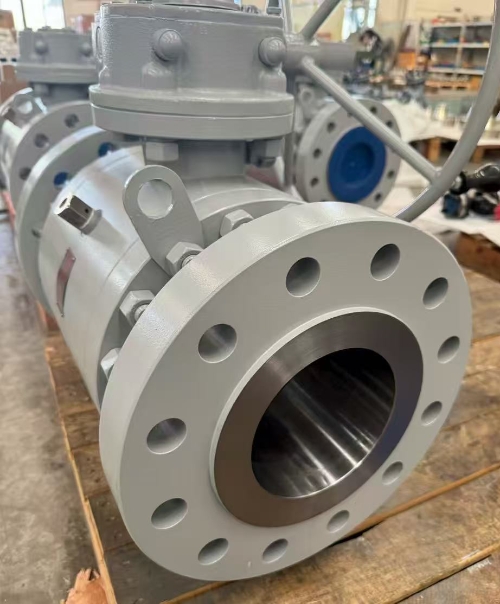
    GEKO Valves has successfully supplied a series of API 6D Trunnion Mounted Ball Valves and Check Valves for high-pressure pipeline and process applications. This shipment covers multiple valve sizes and configurations, all designed and manufactured in strict accordance with international standards, ensuring reliability, safety, and long-term performance in critical services.     This article summarizes the key technical features, materials, and standards of the delivered valves, providing a clear reference for engineers, EPC contractors, and end users.     API 6D Trunnion Mounted Ball Valves (Class 600) 4” Trunnion Mounted Ball Valve – Full Bore, Class 600 The 4-inch API 6D trunnion mounted ball valve is designed for high-pressure isolation duties in oil & gas transmission pipelines. Key Technical Features: Size: 4” Bore: Full Bore Design: Trunnion Mounted Ball Valve Construction: Three / Two Pieces Side Entry Technology: Double Block and Bleed (DBB) Single Ball with Double Isolation / Double Seats Internal Check Valve for sealant system Secondary Sealant Injection on stem and seat plugs Vent & Drain Connections as per API 6D Fire Safe Design in accordance with API 6FA / API 607 Antistatic Device and Anti-Blow Out Stem Operation: Gearbox with Locking Device   Standards & Ratings: Design Standard: API 6D Pressure Class: ASME Class 600 End Connections: Flanged RF – ASME B16.5 Face to Face: API 6D Materials: Body: ASTM A105N Ball: Duplex Stainless Steel ASTM A182 F51 Stem / Trunnion: Duplex F51 Seat: Tungsten Carbide Hard-Faced Spring: Inconel X750 Gland Packing: Graphite O-Rings: Viton Bolting: ASTM A193 B7 / A194 2H     6” Trunnion Mounted Ball Valve – Full Bore, Class 600 The 6-inch API 6D trunnion mounted ball valve shares the same high-integrity design philosophy and is suitable for large-diameter pipeline applications. Main Specifications: Size: 6” Pressure Rating: 600 LB Bore: Full Bore End Connections: RF x RF, ASME B16.5 Construction: Three / Two Pieces Side Entry DBB with Single Ball (Double Seats) Internal Check Valve Secondary Sealant Injection System Vent & Drain Connections Fire Safe: API 6FA / API 607 Antistatic & Anti-Blow Out Stem Operation: Gearbox with Locking Device Materials: Body: ASTM A105N Ball: Duplex ASTM A182 F51 Stem / Trunnion: Duplex F51 Seat: Tungsten Carbide Hard-Faced Spring: Inconel X750 Packing: Graphite O-Rings: Viton Bolting: ASTM A193 B7 / A194 2H   1” High-Pressure Ball Valve – 800 LB GEKO also delivered a 1-inch high-pressure ball valve, designed for compact installations requiring high integrity sealing. Technical Highlights: Size: 1” Pressure Rating: 800 LB Bore: Full Bore Connection: Long Nipple, SW x FNPT Body Material: Carbon Steel Trim: Duplex Stainless Steel Seals: Viton A Plug, Vent & Drain locations as per API 6D Replaceable Seats Seat & Stem Sealant Injection System(with internal check valve where applicable) Fire Safe: API 6FA / API 607 Antistatic Device & Anti-Blow Out Stem Bolting: ASTM A193 B7 Ready for Locking Device Installation     API 594 Wafer Lugged Check Valve – Class 600 In addition to ball valves, GEKO supplied API 594 wafer lugged check valves for reliable backflow prevention. Specifications: Type: Wafer Lugged Check Valve Pressure Rating: ASME Class 600 Installation: Between Raised Face Flanges Design Standard: API 594 Materials: Body: ASTM A216 WCB Plates: Duplex ASTM A182 F51 Trim: Duplex ASTM A182 F51 Seat: Metal-to-Metal Pins / Retainers: Duplex F51 Spring: Inconel X750
    DEVAMINI OKU
  • Feed Water Pump Recirculation Valve - Thermal Power Plant
    Feed Water Pump Recirculation Valve - Thermal Power Plant
    Dec 19, 2025
    Boiler Feed Water Pump Protection Solution -Thermal Power Plant| GEKO Valves       The Feed Water Pump Recirculation Valve is a critical protection valve designed to maintain the minimum required flow through boiler feed water pumps during low-load, startup, or shutdown conditions. By automatically diverting excess flow back to the feed water tank or deaerator, the valve prevents overheating, cavitation, vibration, and premature pump failure. GEKO Feed Water Pump Recirculation Valves are engineered for high-pressure and high-temperature boiler feed water systems, ensuring safe and reliable pump operation in power plants and industrial facilities.     Key Applications Thermal power plants Combined cycle power plants Boiler feed water systems High-pressure industrial boilers Petrochemical and refinery utility systems Desalination and water treatment plants   Main Functions Maintain minimum flow protection for feed water pumps Prevent pump overheating under low flow conditions Reduce cavitation, erosion, and vibration Extend pump and system service life Improve overall system reliability   Product Features & Advantages Automatic operation without external power or control system Accurate minimum flow control based on pump requirements Anti-cavitation and low-noise trim design Suitable for high pressure and high temperature service Long service life with minimal maintenance Available in forged steel, carbon steel, and alloy steel materials Designed in accordance with API, ASME, and power industry standards   Typical Technical Design Automatic recirculation or minimum flow control structure Multi-stage pressure reduction trim (optional) Integral orifice for stable flow control Horizontal or vertical installation options Flanged or welded end connections   Common Problems & GEKO Solutions   Problem 1: Feed Water Pump Overheating Low flow conditions cause rapid temperature rise inside the pump. GEKO Solution:The valve automatically opens to ensure continuous minimum flow, keeping pump temperature within safe limits.   Problem 2: Cavitation and Internal Erosion Insufficient flow leads to vapor formation and component damage. GEKO Solution:Optimized flow path and anti-cavitation trim reduce pressure drop and cavitation risk.   Problem 3: Excessive Vibration and Noise Unstable hydraulic conditions shorten pump and piping life. GEKO Solution:Stable flow regulation minimizes turbulence, vibration, and operational noise.   Problem 4: Manual Bypass Valve Failure Manual bypass valves depend on operator intervention and may be left closed or incorrectly adjusted. GEKO Solution:Fully automatic operation eliminates human error and ensures continuous protection.     Feed Water Pump Recirculation Valve,Boiler Feed Water Pump Protection Valve,Minimum Flow Control Valve,Feed Water Pump Bypass Valve,Automatic Recirculation Valve,Power Plant Feed Water Valve   Contact GEKO Valves Our engineering team is ready to support your boiler feed water pump protection requirements.
    DEVAMINI OKU
1 2 3 4 5 6
Toplamda 6sayfalar

mesaj bırakın

mesaj bırakın
Ürünlerimizle ilgileniyorsanız ve daha fazla ayrıntı öğrenmek istiyorsanız, lütfen buraya bir mesaj bırakın, mümkün olan en kısa sürede size cevap vereceğiz.
GÖNDERMEK

EV

ÜRÜNLER

temas etmek