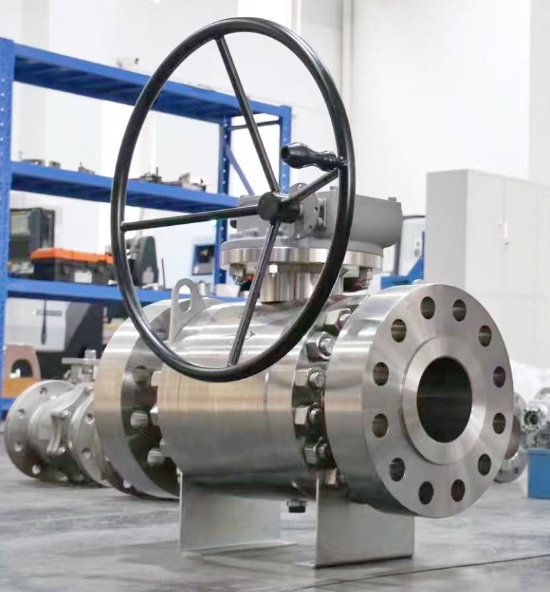
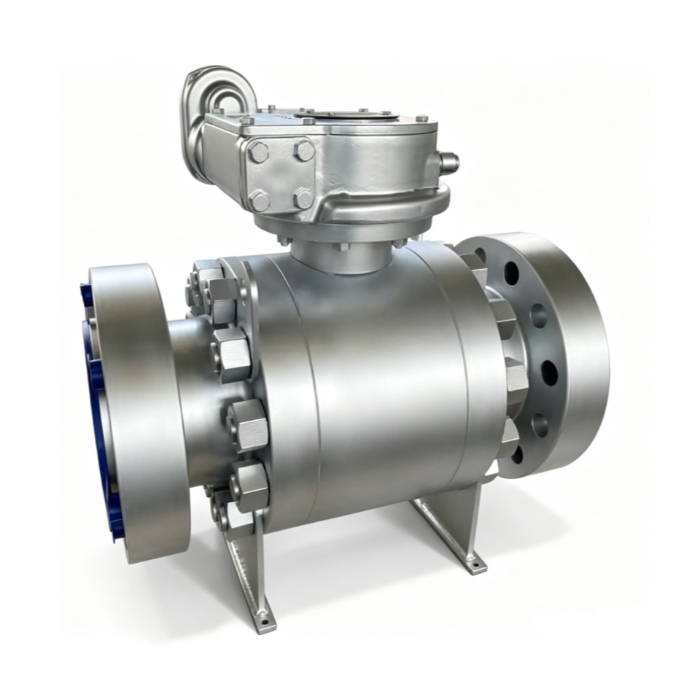
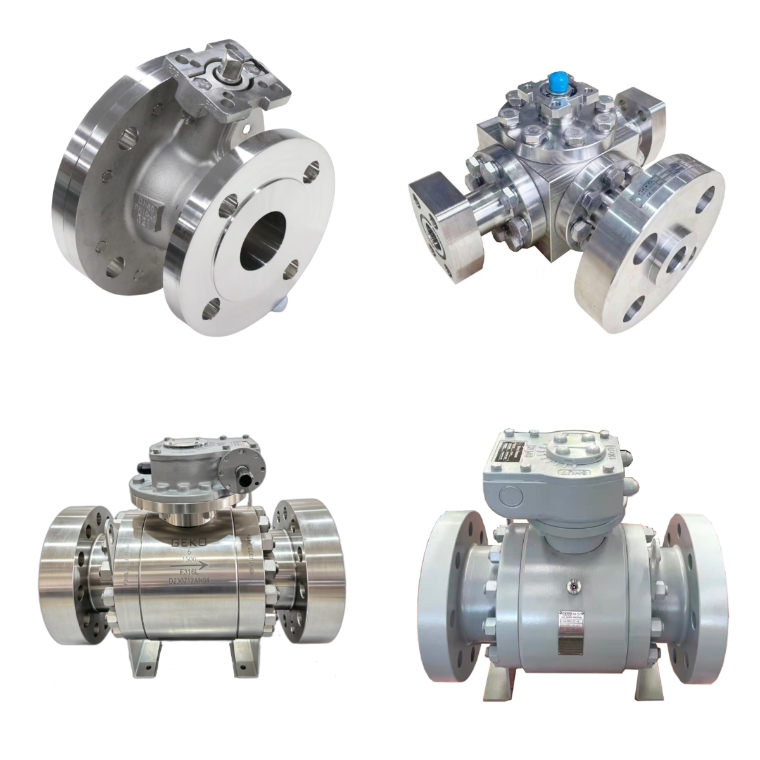
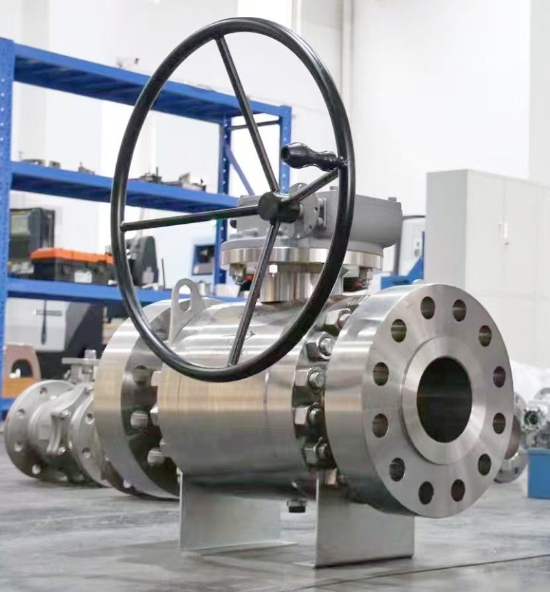
Korozyona Dayanıklı Küresel Vana

EV

Korozyona Dayanıklı Küresel Vana

  • Ball Valve Materials Guide for Corrosion Resistance and Durability | GEKO Valve
    Ball Valve Materials Guide for Corrosion Resistance and Durability | GEKO Valve
    Oct 20, 2026
    Ball Valve Materials Guide for Corrosion Resistance and Durability Corrosion and premature wear are two leading causes of ball valve failure in chemical processing, offshore, water treatment, and oil & gas piping systems. Selecting the correct ball valve materials directly determines long-term durability, sealing integrity, safety, and total cost of ownership. A ball valve built with incompatible alloys or seat materials can suffer pitting, crevice corrosion, chemical attack, or seal degradation, leading to fugitive emissions, unplanned shutdowns, and expensive replacement. This GEKO Valve guide breaks down body, ball, liner, and seat materials by corrosion performance, service limits, and suitable industrial applications, helping engineers specify valves that last in aggressive process media. Why Corrosion Resistance and Material Durability Matter for Ball Valves Unlike generic piping components, ball valves contain wetted parts that stay in continuous contact with process fluids — acids, alkalis, brine, chlorides, solvents, and sour media. Even minor corrosion can lock the rotating ball, damage sealing surfaces, and break pressure containment. Durability does not only mean mechanical strength; it combines corrosion resistance, temperature stability, abrasion resistance, and resistance to cyclic operation. The optimal material balances chemical compatibility, pressure rating, temperature range, and project budget rather than defaulting to the most expensive superalloy.   Common Ball Valve Body Materials for Corrosive Service WCB Carbon Steel WCB is the standard cast carbon steel for general-purpose ball valves. It delivers high mechanical strength and pressure resistance but offers limited corrosion resistance. Carbon steel is suitable for clean oil, steam, natural gas, and non-corrosive water. In corrosive environments, WCB ball valves rely on internal PTFE or PFA lining to isolate the metal body from aggressive media. Without lining, carbon steel will rust rapidly in damp, acidic, or chloride-rich conditions. 304 / 316L Stainless Steel (CF8 / CF3M) 304 stainless steel works well for low-chloride fresh water, food-grade fluids, and mild alkaline solutions. 316L stainless steel adds molybdenum, greatly improving resistance to chloride ions, dilute acids, wastewater, and common organic solvents. The low-carbon 316L grade avoids intergranular corrosion after welding, making it the most widely specified stainless steel ball valve for moderate corrosion duties. It remains the baseline anti-corrosion choice for water treatment, pharmaceutical, and general chemical lines. 2205 and 2507 Duplex Stainless Steel Duplex stainless steel combines austenite and ferrite microstructures for superior chloride corrosion resistance and higher strength than 316L. 2205 duplex handles brine, brackish water, and moderate seawater service. 2507 super duplex offers outstanding pitting and stress corrosion cracking resistance for seawater desalination, coastal chemical plants, and produced water pipelines where standard 316L will fail over time.   High-Performance Alloys: Hastelloy C276, Monel 400, Inconel 625 Hastelloy C276 resists strong oxidizing acids, chlorine, hypochlorite, and mixed corrosive chemicals, widely used in chlor-alkali and fine chemical processes. Monel 400 provides excellent resistance to hydrofluoric acid and seawater. Inconel 625 is selected for high-temperature corrosive media and thermal fatigue conditions. These nickel-based superalloys deliver extreme corrosion protection but carry a much higher material cost and longer lead times. PTFE / PFA Lined Ball Valves Lined ball valves use a carbon steel or stainless steel shell with a continuous fluoropolymer liner covering all wetted surfaces. PTFE and PFA are nearly chemically inert against most concentrated acids, bases, and aggressive solvents. PFA offers better permeation resistance and higher-temperature stability than PTFE. Lined ball valves are a cost-effective alternative to exotic alloys for strong corrosive media at moderate pressure ranges. Ball and Seat Materials: The Critical Sealing Interface Body alloy protects the valve shell, but the ball and seat form the sealing interface that controls leakage and cycle life. Seat material failure is one of the most frequent durability issues in corrosive ball valves. Virgin PTFE: Universal chemical resistance, compatible with almost all corrosive media. Drawback: cold flow under sustained pressure, which can degrade sealing after long static hold periods. RPTFE (Reinforced PTFE): Filled with glass, carbon, or graphite to reduce creep and boost wear resistance while retaining broad chemical compatibility. It is the most popular upgrade over pure PTFE. PEEK: Excellent combination of corrosion resistance, high temperature capability, and mechanical durability for high-cycle and high-pressure chemical service. Viton / EPDM: Elastomer seats for specific media; Viton suits oils and hydrocarbons, EPDM works for hot water and weak acids. Both are limited against strong solvents and concentrated acids. Metal Seat with Stellite Coating: Hardened metal sealing surfaces for high temperature, abrasive slurry, and fire-safe service. Metal-sealed ball valves rely on alloy selection for corrosion resistance and do not provide bubble-tight shutoff like polymer seats. Key Selection Checklist for Corrosion Resistance & Durability Before finalizing ball valve materials, verify these application parameters: Full chemical composition of the process fluid, including trace chlorides, solids, and oxidizers Operating temperature and pressure, plus upset and thermal cycling conditions Flow velocity and abrasive particles that cause erosion wear Shutoff requirement: bubble-tight soft seat or fire-safe metal seat External environment: coastal salt spray, humid air, or underground burial Maintenance access and expected service life target Common Application Matching Summary Fresh water and mild chemical media → 316L ball valve with RPTFE seat. Seawater and brine → 2205 / 2507 duplex stainless steel. Concentrated acids and aggressive solvents → PFA-lined ball valve. Chlorine and mixed oxidizing chemicals → Hastelloy C276. High-temperature abrasive process → Stellite hard-faced metal seat paired with compatible body alloy. Final Thoughts Durable, corrosion-free ball valve performance comes from matching every wetted component to the process conditions, not just picking a single alloy. GEKO Valve supplies ball valves in carbon steel, stainless steel, duplex, nickel alloy, and PFA/PTFE lined configurations with a full range of seat and ball trim options. Proper material specification reduces corrosion-related failures and extends valve service life in demanding industrial piping systems.
    DEVAMINI OKU
  • Ball Valve Materials: Pros and Cons for Industrial Applications | GEKO Valve
    Ball Valve Materials: Pros and Cons for Industrial Applications | GEKO Valve
    Oct 14, 2026
    Ball Valve Materials: Pros and Cons for Industrial Applications Selecting ball valve materials requires careful trade-offs between corrosion resistance, temperature tolerance, mechanical strength, cost and manufacturability. No single material works for every industrial process. Understanding the pros and cons of common ball valve body, ball and seat materials helps process engineers avoid premature failure, unexpected leakage and overspending on overly expensive alloys. This guide compares widely used materials for GEKO industrial ball valves to support faster, smarter valve specification. WCB Cast Carbon Steel & A105 Forged Carbon Steel Pros: High tensile strength, good performance under high pressure and elevated temperatures, affordable price, easy welding and machining. A105 forged carbon steel has denser grain structure, better impact resistance than cast WCB, ideal for critical high-pressure lines, steam and hydrocarbon service. Cons: Poor corrosion resistance. Carbon steel rusts rapidly when exposed to moisture, acids, chlorides and most corrosive chemicals. Not suitable for potable water, brine or continuous wet corrosive service. Impact performance drops sharply at cryogenic temperatures. SS304 / CF8 Stainless Steel Pros: Good general corrosion resistance for clean water and weak alkaline media, oxidation-resistant at moderate heat, easy to sanitize, cost-effective stainless option. It is widely accepted for sanitary, food and beverage, municipal water and general outdoor piping systems. Cons: Susceptible to pitting corrosion in chloride-containing environments such as seawater and brine. Poor resistance to strong acids. Not recommended for high-salinity or harsh chemical processes. SS316 / 316L (CF8M / CF3M) Stainless Steel Pros: Molybdenum addition improves chloride and mild acid resistance significantly. 316L low-carbon grade resists intergranular corrosion after welding. Versatile for chemical processing, food production, desalination pre-treatment and marine non-seawater circuits. It is the most popular stainless steel for corrosive industrial service. Cons: Still vulnerable to concentrated chloride, hot brine and strong reducing acids. Higher cost than SS304, and it cannot compete with duplex or nickel alloys for severe corrosion environments. 2205 Duplex Stainless Steel Pros: Combines austenitic and ferritic microstructure for high mechanical strength and excellent chloride pitting resistance. Outperforms 316 in brackish water, brine and low-to-moderate acid conditions. More economical than Hastelloy and other nickel alloys for seawater-related applications. Cons: Limited high-temperature operating range; it loses corrosion resistance at excessive heat. Less ductile than austenitic stainless steel and harder to machine. Not suitable for strong reducing acids. PFA / PTFE Lined Materials Pros: Almost universal chemical inertness against strong acids, alkalis and aggressive solvents. The metal shell provides structural strength while fluoropolymer lining isolates corrosive media. Perfect for harsh chemical processing where standard metals degrade quickly. Cons: Lining can be scratched by abrasive slurries. Not compatible with high-temperature steam. Temperature and pressure ratings are lower than solid metal valves, and lined valves are heavier and more expensive than carbon steel alternatives. Hastelloy C276, Alloy 20 and Monel Nickel Alloys Pros: Outstanding resistance to oxidizing acids, sour gas (H₂S), chlorine and many aggressive chemicals. Excellent resistance to stress corrosion cracking and localized pitting. These specialty alloys serve critical, high-risk processes where 316 and duplex steel fail. Cons: Very high raw material and machining costs. Long lead times are common. Nickel alloys are only justified for extreme corrosive conditions, making them impractical for standard water, oil or steam lines. Common Seat & Seal Materials: PTFE, FKM, Metal, PEEK PTFE: Pros — chemically inert, bubble-tight shutoff; Cons — prone to cold flow, limited high-temperature range. FKM (Viton): Pros — resistant to oils, fuels and hydrocarbons; Cons — incompatible with ketones and some strong acids. Metal seat: Pros — suitable for high temperature, abrasive media and frequent cycling; Cons — not bubble tight, higher torque requirement. PEEK: Pros — excellent wear and high-temperature resistance; Cons — premium pricing, limited availability. Quick Comparison Guidance Carbon steel works best for non-corrosive high-temperature steam and oil. SS304 fits clean, low-chloride water and sanitary light-duty service. SS316 balances performance and budget for general corrosive applications. 2205 duplex is the go-to for brine and high-chloride water. Lined valves handle aggressive chemicals, while nickel alloys are reserved for extreme corrosive process conditions. Closing Notes from GEKO Valve Material selection should never rely on cost alone. A cheaper valve that fails early will generate far higher downtime and maintenance costs. Share your medium, temperature, pressure and chemical concentration with GEKO’s engineering team to select a ball valve material that matches your industrial application perfectly.
    DEVAMINI OKU
  • Which Ball Valve Material Is Best for Your Application? | GEKO Valve
    Which Ball Valve Material Is Best for Your Application? | GEKO Valve
    Oct 14, 2026
    Which Ball Valve Material Is Best for Your Application? Choosing the correct ball valve material is one of the most critical decisions for process reliability. Even a well-designed ball valve will fail prematurely if its body, ball and seat materials are incompatible with your fluid, temperature, pressure and chemical environment. With options ranging from WCB carbon steel and stainless steel to duplex steel, PFA lining and specialty alloys, engineers and procurement teams need a clear framework to match materials to their exact working conditions. This guide breaks down common ball valve materials, their strengths, limitations and ideal use cases to help you select the right GEKO ball valve for your system. Core Factors That Decide Ball Valve Material Before comparing materials, confirm four key process parameters. The fluid medium and chemical concentration determine corrosion risk. Operating temperature impacts material toughness, creep resistance and seal performance. Working pressure defines wall thickness and mechanical strength requirements. Additional factors include chloride content, abrasive particles, cyclic switching frequency and hygienic requirements for food or pharmaceutical service.     WCB Carbon Steel / A105 Forged Steel Ball Valves WCB cast carbon steel and A105 forged carbon steel are cost-effective, high-strength options for non-corrosive media. They perform reliably at elevated temperatures and suit steam, compressed air, fuel oil and natural gas pipelines in power plants, thermal systems and general oil & gas service. Carbon steel works well from -29°C up to around 425°C, but it rusts quickly when exposed to water, acids or chloride-rich fluids. It is not recommended for wet corrosive service, drinking water or chemical processing lines. SS304 (CF8) Stainless Steel Ball Valves SS304 stainless steel is the standard corrosion-resistant ball valve material for water treatment, clean water, weak alkaline fluids and general outdoor piping. It offers good oxidation resistance and excellent low-temperature toughness, making it popular for general industrial and sanitary applications. SS304 works for low-chloride water but struggles with saltwater, brine and concentrated chloride media, where pitting corrosion will develop over time. SS316 / 316L (CF8M / CF3M) Stainless Steel Ball Valves SS316 stainless steel includes molybdenum, which greatly improves resistance to chlorides, mild acids and many chemical solvents. It is the most widely specified stainless grade for chemical plants, desalination pre-treatment, food & beverage processing and marine non-seawater circuits. 316L low-carbon variants reduce intergranular corrosion after welding, preferred for long-term continuous chemical service. For most general corrosive industrial applications, SS316 is the default upgrade from SS304. 2205 Duplex Stainless Steel Ball Valves 2205 duplex stainless steel combines high mechanical strength and superior chloride pitting resistance. It outperforms 316 in brackish water, seawater, brine and moderate acid environments. Duplex ball valves are widely used in desalination, offshore auxiliary lines and mine water systems. It balances strength and corrosion resistance without moving to expensive nickel alloys, though it has narrower high-temperature limits than many stainless grades. PFA / PTFE Lined Ball Valves PFA and PTFE lined ball valves use a carbon steel or stainless steel pressure shell with a fluoropolymer lining that contacts the fluid. The lining is chemically inert against most strong acids, alkalis and aggressive solvents. These lined ball valves are the primary choice for harsh chemical processes where metallic alloys cannot survive. They are not suitable for high-temperature steam or abrasive slurries that can scratch the lining surface. Specialty Alloy Ball Valves: Hastelloy, Alloy 20, Monel For extreme corrosive conditions such as concentrated acids, sour gas, hydrogen sulphide and oxidising chemicals, GEKO supplies ball valves built from Hastelloy C276, Alloy 20 and Monel. These exotic alloys resist localized corrosion and stress cracking in environments that attack 316 and duplex steel. They carry higher material costs and are reserved for critical chemical, hydrogen and high-risk process applications. Seat & Seal Material Matching (Not Only Body Material) Body material alone cannot guarantee reliable shutoff. Seat materials must also match the process. PTFE seats deliver bubble-tight isolation for most clean fluids up to moderate temperatures. FKM (Viton) works for oils and hydrocarbons. Metal seats are selected for high temperature, abrasive media and frequent cycling. PEEK seats offer outstanding wear resistance for demanding cyclic service. A mismatch between seat material and medium is a common cause of leakage even when the valve body is correctly specified. Quick Application Reference Steam, oil, compressed air: WCB / A105 carbon steel Clean water, food-grade mild fluid: SS304 General chemical, low-chloride corrosive service: SS316 / 316L Seawater, brine, high-chloride water: 2205 duplex stainless steel Strong acids and aggressive chemicals: PFA lined ball valve Sour gas, concentrated corrosive media: Hastelloy or nickel alloy Final Recommendations from GEKO Valve The best ball valve material is always the one that balances corrosion resistance, temperature-pressure rating, service life and budget. Over-specifying exotic alloys increases unnecessary expense, while under-specifying leads to unplanned shutdowns and safety risks. If you are unsure about material compatibility for your process fluid, share your medium, temperature, pressure and concentration data with GEKO’s engineering team for a verified material recommendation.
    DEVAMINI OKU
  • Küresel Vanalar 101: Çeşitleri, Uygulamaları ve Seçim Kriterleri | GEKO Vana
    Küresel Vanalar 101: Çeşitleri, Uygulamaları ve Seçim Kriterleri | GEKO Vana
    Sep 13, 2026
     Küresel Vanalar 101: Çeşitleri, Uygulamaları ve Seçim KriterleriKüresel vanalar, dünya çapında endüstriyel boru sistemlerinde yaygın olarak kullanılan temel çeyrek dönüşlü akış kontrol bileşenleridir. Kompakt yapıları, hızlı 90 derecelik açma/kapama işlemleri, güvenilir sızdırmazlıkları ve olağanüstü dayanıklılıklarıyla bilinen endüstriyel küresel vanalar, çoğu sıvı izolasyon ve düzenleme senaryosunda geleneksel sürgülü vanalardan ve küresel vanalardan daha iyi performans gösterir. Sistem tasarımcıları, mühendisler ve tedarik ekipleri için, boru hattı arızalarını ortadan kaldırmak, bakım maliyetlerini azaltmak ve sistem operasyonel verimliliğini optimize etmek için küresel vana sınıflandırmalarını, sektöre özgü uygulamaları ve standartlaştırılmış seçim kriterlerini anlamak çok önemlidir. Bu Küresel Vanalar 101 kılavuzu, doğru küresel vana seçimi için sistematik, anlaşılması kolay profesyonel bilgiler sunmaktadır.1. Endüstriyel Küresel Vanaların Başlıca TürleriEndüstriyel küresel vanalar, yapısal tasarım, iç çap özellikleri, sızdırmazlık konfigürasyonu ve çalıştırma yöntemine göre sınıflandırılır. Her tipin kendine özgü performans özellikleri ve özel uygulanabilir çalışma koşulları vardır: 1.1 Şamandıralı Küresel Vana ve Mil Bağlantılı Küresel VanaYüzer küresel vanalar Sabit şaft desteği olmayan, serbest yüzen bir bilye yapısına sahiptir. Orta basınç altında, bilye, hava geçirmez bir sızdırmazlık sağlamak için aşağı akış yönündeki yuvaya sıkıca bastırır. Basit, hafif yapısı ve maliyet etkinliği avantajlarıyla, yüzer bilyalı vanalar, su arıtma, HVAC ve genel endüstriyel sıvı sistemlerinde yaygın olarak kullanılan küçük boyutlu, düşük ila orta basınçlı geleneksel boru hatları için ideal bir seçimdir.Mil bağlantılı küresel vanalar Çift üst ve alt mafsallı sabit destek tasarımı benimsenmiştir; bu tasarım, bilyeyi sabit bir konumda kilitler. Bu yapı, sızdırmazlık yatağı basıncını ve çalışma torkunu etkili bir şekilde azaltarak aşınmayı en aza indirir ve kullanım ömrünü uzatır. Büyük boyutlu, yüksek basınçlı ve yüksek çevrimli çalışma senaryoları için uygun olan mafsallı küresel vanalar, petrol ve gaz iletimi, petrokimya rafinerisi ve uzun mesafeli endüstriyel boru hattı sistemleri için ana akım ağır hizmet çözümüdür. 1.2 Tam Geçişli Küresel Vana ve Daraltılmış Geçişli Küresel VanaTam geçişli küresel vanalar Boru iç çapına uygun düz bir iç çapa sahip olacak şekilde tasarlanan bu ürünler, neredeyse sıfır akış direnci ve ultra düşük boru hattı basınç düşüşü sağlar. Bu tasarım, boru hattı temizleme ve temizleme işlemlerinin tamamını destekleyerek, engelsiz sıvı geçişi ve kolay günlük bakım gerektiren yüksek akışlı iletim boru hatları ve proses ana hatları için mükemmeldir.Azaltılmış portlu küresel vanalar Daha hafif, daha küçük hacimli ve daha düşük üretim maliyetli, sadeleştirilmiş, daraltılmış çaplı bir yapı benimsenmiştir. Akış kanalı biraz daraltılmış olsa da, geleneksel izolasyon ve akış kontrolü gereksinimlerini tamamen karşılar. Sıkı düşük basınç düşüşü veya boru içi temizleme gereksinimleri olmayan sıradan endüstriyel boru hatları için en uygun maliyetli seçenektir. 1.3 Yumuşak Contalı ve Metal Contalı Küresel VanaYumuşak contalı küresel vanalar Yüksek performanslı PTFE ve polimer kompozit sızdırmazlık malzemeleri kullanılarak, normal sıcaklık ve temiz ortam koşullarında mutlak sıfır sızıntı sağlanır. Düşük sürtünme katsayısı ve esnek geçiş performansı ile temiz su, basınçlı hava, doğal gaz ve aşındırıcı olmayan geleneksel kimyasal ortamlarda yaygın olarak kullanılırlar.Metal contalı küresel vanalar Profesyonel metalden metale sert sızdırmazlık yapısı ve sızdırmazlık yüzeylerinde alaşımlı sert kaplama işlemi kullanılmıştır. Mükemmel yüksek sıcaklık dayanımı, yüksek basınç dayanımı ve aşınma direnci özelliklerine sahip olan bu ürünler, aşındırıcı çamur, aşındırıcı ortamlar ve tekrarlanan termal döngüler gibi zorlu ortamlarda istikrarlı bir şekilde çalışarak yumuşak sızdırmazlık malzemelerinin eskime ve arıza sorunlarını çözmektedir.1.4 Manuel ve Kumandalı Küresel VanalarKol veya dişli mekanizmalı manuel küresel vanalar, basit yapıları ve düşük bakım maliyetleri nedeniyle düşük frekanslı manuel kontrol senaryoları için uygundur. Modern otomatik endüstriyel sistemler için,pnömatik tahrikli küresel vanalar Ve elektrikle çalışan küresel vanalar Bunlar temel konfigürasyonlardır. Pnömatik küresel vanalar, yanıcı ve tehlikeli çalışma koşulları için hızlı anahtarlama hızı ve güvenilir patlamaya dayanıklı performans sağlar. Elektrikli küresel vanalar, hassas akış modülasyonunu ve uzaktan sinyal bağlantısını destekleyerek PLC ve SCADA akıllı kontrol sistemleriyle mükemmel uyum sağlar. 2. Küresel Vanaların Yaygın Endüstriyel UygulamalarıFarklı küresel vana tipleri, hedeflenen endüstriyel senaryolara karşılık gelir. Proses özelliklerine dayalı makul tip eşleştirmesi, uzun vadeli istikrarlı ve güvenilir boru hattı işletimini sağlar:Su Arıtma ve Isıtma, Havalandırma ve Klima SistemleriYumuşak contalı yüzer küresel vanalar ve daraltılmış portlu küresel vanalar, maliyet ve sızdırmazlık stabilitesi arasında denge kurarak su temini, drenaj ve merkezi klima sirkülasyon boru hatlarında yaygın olarak kullanılmaktadır.Petrol ve Gaz EndüstrisiUzun mesafeli iletim boru hatlarında düşük basınç kaybını sağlamak ve profesyonel boru hattı temizleme bakımını desteklemek için ağır hizmet tipi mafsallı küresel vanalar ve tam geçişli küresel vanalar kullanılmaktadır.Kimya ve Petrokimya TesisleriYüksek performanslı metal contalı küresel vanalar ve korozyon önleyici küresel vanalar, yüksek sıcaklık, aşındırıcı ve yıpratıcı proses ortamlarına uyum sağlamak ve zorlu çalışma koşullarına adapte olmak üzere tasarlanmıştır.Enerji Üretimi ve Termik EnerjiYüksek sıcaklığa dayanıklı metal contalı küresel vanalar, aşırı sıcaklık değişimlerine ve ortam aşınmasına karşı dayanıklılık sağlamak amacıyla buhar boru hatlarında, termal çevrim sistemlerinde ve yüksek basınçlı proses ekipmanlarında kullanılır.Akıllı ÜretimOtomatik pnömatik ve elektrikle çalışan küresel vanalar, akıllı üretim boru hatları için insansız anahtarlama, uzaktan izleme ve hassas akış düzenlemesi sağlar.3. Standart Küresel Vana Seçim KriterleriBilimsel küresel vana seçimi, yalnızca boyut eşleştirmesinden kaçınılarak, standartlaştırılmış kriterlere uygun olarak yapılmalıdır. Temel seçim kuralları yapı, sızdırmazlık, delik tipi, çalıştırma ve çalışma koşullarına uyumu kapsar:Yapısal Seçim KriterleriKüçük çaplı, düşük ve orta basınçlı geleneksel boru hatları için yüzer küresel vanaları; büyük çaplı, yüksek basınçlı ve yüksek frekanslı çevrimli ağır hizmet tipi boru hatları için ise mafsallı küresel vanaları tercih edin.Sızdırmazlık Seçim KriterleriNormal sıcaklıkta, temiz, aşındırıcı olmayan ve sızıntı olmaması gereken ortamlarda yumuşak contalı küresel vanalar; yüksek sıcaklık, yüksek basınç, aşındırıcı ve korozyona dayanıklı zorlu çalışma koşullarında ise metal contalı küresel vanalar kullanılmalıdır.Delik Tipi Seçim KriterleriYüksek debili, düşük basınç düşüşlü boru hatları ve boru temizleme (pigging) gerektiren sistemler için tam geçişli küresel vanalara öncelik verin; proje maliyetlerinden tasarruf etmek için genel izolasyon senaryolarında daraltılmış geçişli küresel vanaları tercih edin.Hareket Seçim KriterleriDüşük frekanslı anahtarlama için manuel çalıştırmayı yapılandırın; patlamaya dayanıklı tehlikeli alanlar için pnömatik aktüatörler seçin; uzaktan akıllı kontrol ve hassas akış düzenlemesi için elektrikli aktüatörler kullanın.Çalışma Koşulları Eşleştirme KriterleriSızdırmazlık arızasını ve valf hasarını önlemek için, valf basınç sınıfını, sıcaklık dayanım derecesini ve malzeme uyumluluğunu gerçek ortam özelliklerine, çalışma sıcaklığına ve maksimum çalışma basıncına göre doğrulayın.4. Yüksek Kaliteli Endüstriyel Küresel Vanaların Başlıca FaydalarıNitelikli endüstriyel küresel vanalar, hızlı çeyrek dönüşlü çalışma, kompakt montaj alanı, sızdırmaz kapatma performansı, güçlü ortam uyumluluğu ve düşük uzun vadeli bakım maliyeti gibi modern sıvı kontrol sistemleri için yeri doldurulamaz avantajlar sunar. İster genel sivil boru hatları ister ağır hizmet tipi endüstriyel proses sistemleri için olsun, doğru seçilmiş küresel vanalar boru hattı çalışma verimliliğini etkili bir şekilde artırabilir ve sistem arıza oranlarını azaltabilir.5. GEKO Vana Güvenilir Küresel Vana ÇözümleriGEKO Valve, yüzer küresel vanalar, mafsallı küresel vanalar, tam geçişli ve daraltılmış geçişli küresel vanalar, yumuşak contalı ve metal contalı küresel vanalar ve komple pnömatik/elektrikli tahrikli küresel vana paketleri de dahil olmak üzere, standart ve özelleştirilmiş endüstriyel küresel vanaların tam bir ürün yelpazesini sunmaktadır. Tüm ürünler, titiz kalite kontrolü ve istikrarlı performans ile uluslararası endüstri standartlarına uygundur. Farklı endüstriyel çalışma koşulları için en uygun küresel vanayı eşleştirmek üzere profesyonel tek elden seçim rehberliği sunarak, küresel endüstriyel projeler için yüksek güvenilirlik ve düşük bakım gerektiren sıvı kontrol çözümleri sağlıyoruz.9 Temel SEO Anahtar KelimesiEndüstriyel Küresel Vana, Yüksek Basınçlı Küresel Vana, Düşük Basınçlı Küresel Vana, API Standardı Küresel Vana, Proses Küresel Vana, Çeyrek Dönüşlü Küresel Vana, İzolasyon Küresel Vana, Korozyona Dayanıklı Küresel Vana, Otomatik Küresel Vana
    DEVAMINI OKU

mesaj bırakın

mesaj bırakın
Ürünlerimizle ilgileniyorsanız ve daha fazla ayrıntı öğrenmek istiyorsanız, lütfen buraya bir mesaj bırakın, mümkün olan en kısa sürede size cevap vereceğiz.
GÖNDERMEK

EV

ÜRÜNLER

temas etmek