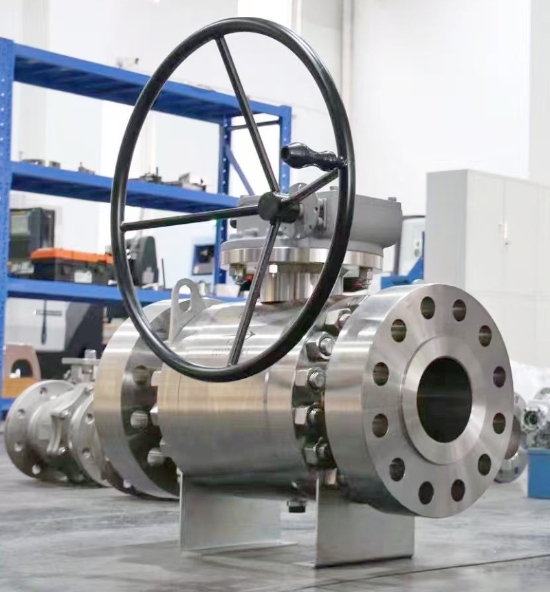
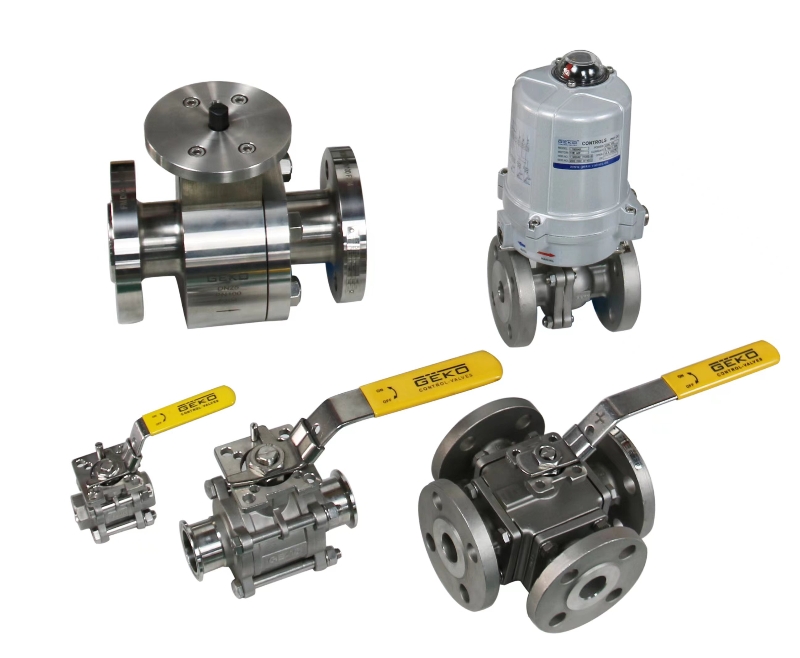
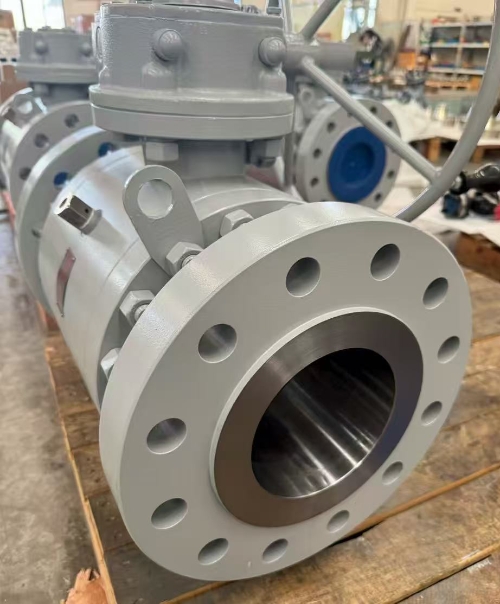
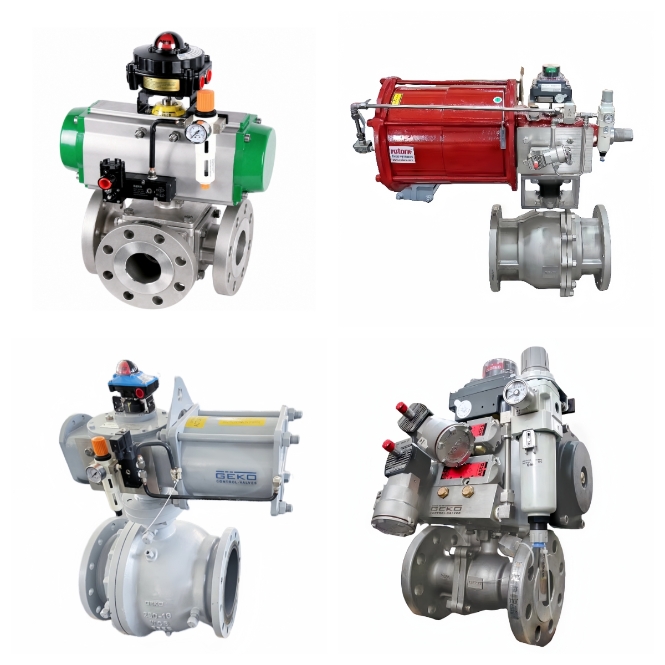
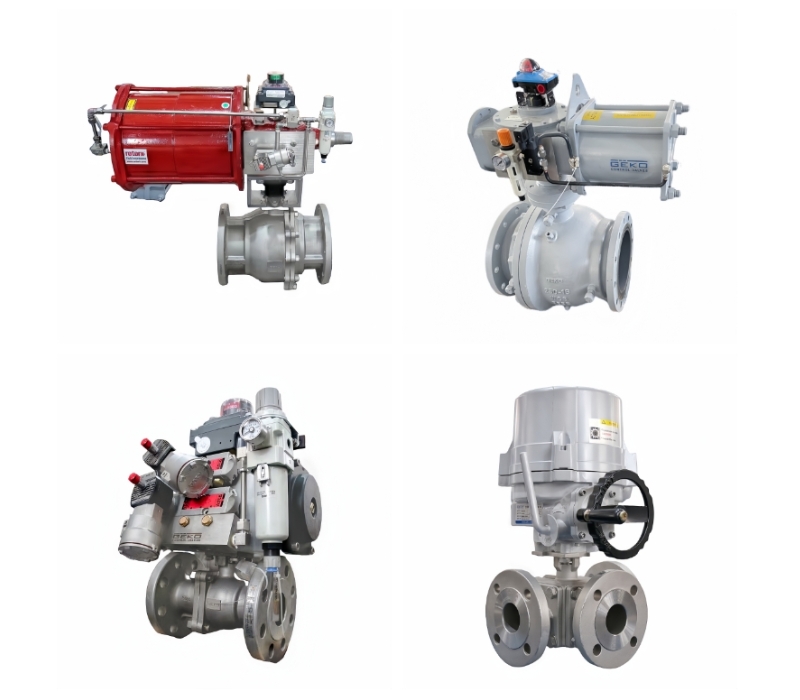
Yüksek Basınçlı Küresel Vana

EV

Yüksek Basınçlı Küresel Vana

  • How to Choose the Right Ball Valve for Industrial Applications
    How to Choose the Right Ball Valve for Industrial Applications
    Sep 14, 2026
      Ball valves are indispensable fluid control components in industrial piping systems, widely used for medium isolation, flow regulation, and pipeline protection across various heavy-duty industries. Different from general civil valves, industrial ball valves need to adapt to complex working conditions such as high pressure, extreme temperature, corrosive media, and frequent switching cycles. Choosing a mismatched industrial ball valve will easily cause leakage, jamming, seal failure, and frequent equipment maintenance, seriously affecting production efficiency and pipeline safety. This professional guide systematically explains the full set of industrial ball valve selection methods and key judgment standards, helping engineers and procurement teams accurately select the most suitable ball valve for different industrial applications.   1. Confirm Industrial Working Condition Parameters (Core Selection Basis) All industrial ball valve selections must be based on actual pipeline working parameters. Clear and accurate condition confirmation is the primary premise to avoid selection errors.   1.1 Medium Characteristics Different fluid media determine the valve body material, sealing type and structural configuration. Clean media such as water, air and natural gas can adopt conventional soft-sealed ball valves with low cost and zero leakage. For corrosive media including acid, alkali and chemical solvents, anti-corrosion alloy or lined ball valves are required. For abrasive media such as slurry, coal ash and granular mixtures, wear-resistant hard-sealed ball valves must be selected to prevent rapid scouring damage to sealing surfaces.   1.2 Operating Pressure and Temperature Industrial pipelines have strict pressure and temperature rating requirements. Low-pressure and medium-pressure conventional industrial systems can use standard-pressure ball valves. Heavy-duty industrial scenarios such as oil and gas transmission, thermal power and petrochemical industries need high-pressure industrial ball valves with stable pressure resistance. In terms of temperature, normal-temperature media apply to polymer soft sealing; high-temperature steam and hot oil systems require high-temperature resistant metal-seated ball valves; ultra-low temperature industrial environments such as liquefied gas need professional cryogenic ball valves to ensure stable sealing performance in extreme cold conditions. 2. Select Ball Valve Structure According to Industrial Scenarios Different ball valve structural designs correspond to exclusive industrial application scenarios, and structural matching directly determines the service life and operational stability of the valve. 2.1 Floating vs Trunnion Mounted Structure Floating ball valves feature simple structure and cost-effective performance, suitable for small-bore, low and medium-pressure general industrial pipelines such as water treatment, HVAC and light chemical industries. Trunnion mounted ball valves adopt fixed trunnion support design, which can bear high pressure and frequent switching loads, and are the preferred structural type for large-diameter, high-pressure heavy-duty industrial pipelines such as long-distance oil and gas transmission and petrochemical refining systems. 2.2 Full Port vs Reduced Port Design Full port ball valves have a consistent inner diameter with the pipeline, with ultra-low flow resistance, no flow loss, and support pipeline pigging cleaning. They are suitable for industrial main pipelines with high flow demand and regular maintenance requirements. Reduced port ball valves are lightweight and low-cost, meeting the basic isolation needs of auxiliary industrial pipelines, and are widely used in non-critical industrial fluid control systems. 2.3 Integral Split Body Structure One-piece ball valves are compact and economical for simple industrial auxiliary pipelines. Two-piece ball valves are easy to disassemble and maintain, suitable for most standard industrial working conditions. Three-piece ball valves can disassemble the valve core without removing the valve body from the pipeline, which is more suitable for industrial pipelines that require frequent maintenance and uninterrupted production. 3. Sealing System Selection for Industrial Working Conditions The sealing system is the core component that determines the tightness and durability of industrial ball valves. Industrial scenarios are divided into soft sealing and metal hard sealing two mainstream types. Soft seated ball valves use PTFE and polymer composite materials, achieving bubble-tight zero leakage, applicable to clean, non-abrasive, normal-temperature industrial media. Metal seated ball valves adopt metal-to-metal hard sealing, with high temperature resistance, pressure resistance and abrasion resistance, solving the failure problem of soft seals in harsh industrial environments such as high temperature, high pressure and slurry scouring, and are the core choice for severe service industrial working conditions. 4. End Connection Mode Matching Reasonable selection of connection methods ensures stable installation and convenient maintenance of industrial valves: Flanged ball valves: Standard industrial connection, easy to install, disassemble and maintain, suitable for medium and large-diameter industrial main pipelines. Threaded ball valves: Compact structure, suitable for small-bore, low-pressure industrial auxiliary piping systems. Butt weld ball valves: Fully sealed and high-strength connection, no leakage risk, suitable for high-pressure, high-temperature and long-term continuous operation industrial pipelines. 5. Manual or Automated Operation Selection According to the industrial automation level and operation frequency of the pipeline system, select the appropriate driving method. Manual ball valves are suitable for low-frequency operation and simple manual control industrial scenarios. For modern intelligent industrial production lines, pneumatic actuated ball valves and electric actuated ball valves are configured to realize remote control, automatic switching and flow regulation, matching PLC and SCADA industrial control systems to meet unmanned production needs. 6. Common Industrial Selection Mistakes to Avoid Only selecting valves by caliber size, ignoring pressure temperature rating and medium adaptability. Using soft sealing valves in high-temperature and abrasive industrial working conditions, resulting in rapid seal aging and leakage. Blindly choosing high-spec heavy-duty valves, causing cost waste in general industrial scenarios. Mismatched actuator torque, leading to valve jamming and incomplete switching in high-pressure industrial pipelines. 7. Professional Industrial Ball Valve Solutions from GEKO Valve GEKO Valve focuses on the R&D and manufacturing of industrial-grade ball valves, providing full-series customized selection solutions for diverse industrial applications. Our product lineup covers floating and trunnion mounted ball valves, full port and reduced port ball valves, soft sealed and metal seated ball valves, as well as various flanged, threaded and welded connection types. We support manual, pneumatic and electric automated configurations, fully adapting to water treatment, chemical, petrochemical, oil and gas, power and other industrial fields. All industrial ball valves comply with international standards, with stable performance, strong working condition adaptability and low maintenance rate, providing reliable fluid control guarantee for global industrial pipeline projects. 9 Core SEO Keywords: Industrial Ball Valve, Heavy Duty Ball Valve, High Pressure Ball Valve, Industrial Isolation Valve, Automated Industrial Ball Valve, Three Piece Industrial Ball Valve, Metal Seated Industrial Ball Valve, Full Port Industrial Ball Valve, Corrosion Resistant Industrial Ball Valve
    DEVAMINI OKU
  • Ball Valves 101: Types, Applications, and Selection Criteria | GEKO Valve
    Ball Valves 101: Types, Applications, and Selection Criteria | GEKO Valve
    Sep 13, 2026
      Ball Valves 101: Types, Applications, and Selection Criteria Ball valves are foundational quarter-turn flow control components widely adopted in industrial piping systems worldwide. Renowned for their compact structure, fast 90-degree on/off operation, reliable tight shutoff, and exceptional durability, industrial ball valves outperform traditional gate valves and globe valves in most fluid isolation and regulation scenarios. For system designers, engineers, and procurement teams, understanding ball valve classifications, industry-specific applications, and standardized selection criteria is essential to eliminate pipeline failures, reduce maintenance costs, and optimize system operational efficiency. This Ball Valves 101 guide delivers systematic, easy-to-understand professional knowledge for accurate ball valve selection. 1. Primary Types of Industrial Ball Valves Industrial ball valves are categorized by structural design, bore specification, sealing configuration, and actuation method. Each type features unique performance characteristics and exclusive applicable working conditions:   1.1 Floating Ball Valve & Trunnion Mounted Ball Valve Floating ball valves feature a free-floating ball structure without fixed shaft support. Under medium pressure, the ball presses tightly against the downstream seat to achieve bubble-tight sealing. With a simple, lightweight structure and cost-effective advantages, floating ball valves are the ideal choice for small-size, low to medium-pressure conventional pipelines, extensively used in water treatment, HVAC, and general industrial fluid systems. Trunnion mounted ball valves adopt dual upper and lower trunnion fixed support design, which locks the ball in a stable position. This structure effectively reduces sealing seat pressure and operating torque, minimizing wear and extending service life. Suited for large-size, high-pressure, and high-cycle working scenarios, trunnion ball valves are the mainstream heavy-duty solution for oil & gas transmission, petrochemical refining, and long-distance industrial pipeline systems.   1.2 Full Port Ball Valve & Reduced Port Ball Valve Full port ball valves are designed with a straight-through bore matching the pipe inner diameter, achieving nearly zero flow resistance and ultra-low pipeline pressure drop. This design supports full pipeline pigging and cleaning operations, making it perfect for high-flow transmission pipelines and process main lines requiring unobstructed fluid passage and convenient daily maintenance. Reduced port ball valves adopt a streamlined reduced bore structure, featuring lighter weight, smaller volume, and lower manufacturing costs. Although the flow passage is slightly narrowed, it fully meets conventional isolation and flow control demands. It is the most cost-effective option for ordinary industrial pipelines without strict low-pressure-drop or pigging requirements.   1.3 Soft Seated & Metal Seated Ball Valve Soft seated ball valves utilize high-performance PTFE and polymer composite sealing materials, achieving absolute zero leakage under normal temperature and clean medium conditions. With low friction coefficient and flexible switching performance, they are widely applied in clean water, compressed air, natural gas, and non-abrasive conventional chemical media. Metal seated ball valves adopt professional metal-to-metal hard sealing structure with alloy hard-facing treatment on sealing surfaces. Featuring excellent high-temperature resistance, high-pressure resistance, and abrasion resistance, they can stably operate in harsh environments such as abrasive slurry, corrosive media, and repeated thermal cycling, solving the aging and failure problems of soft sealing materials. 1.4 Manual & Actuated Ball Valves Manual ball valves with handle or gear operation are suitable for low-frequency manual control scenarios, with simple structure and low maintenance cost. For modern automated industrial systems,pneumatic actuated ball valves and electric actuated ball valves are essential configurations. Pneumatic ball valves provide fast switching speed and reliable explosion-proof performance for flammable and hazardous working conditions. Electric ball valves support precise flow modulation and remote signal linkage, perfectly matching PLC and SCADA intelligent control systems.   2. Common Industrial Applications of Ball Valves Different ball valve types correspond to targeted industrial scenarios. Reasonable type matching based on process characteristics ensures long-term stable and reliable pipeline operation: Water Treatment & HVAC Systems: Soft seated floating ball valves and reduced port ball valves are widely used for water supply, drainage, and central air conditioning circulation pipelines, balancing cost and sealing stability. Oil & Gas Industry: Heavy-duty trunnion mounted ball valves and full port ball valves are adopted for long-distance transmission pipelines to ensure low pressure loss and support professional pipeline pigging maintenance. Chemical & Petrochemical Plants: High-performance metal seated ball valves and anti-corrosion ball valves are configured for high-temperature, corrosive, and abrasive process media to adapt to severe service conditions. Power Generation & Thermal Energy: High-temperature resistant metal seated ball valves are applied for steam pipelines, thermal cycling systems, and high-pressure process equipment to resist extreme temperature changes and medium scouring. Intelligent Manufacturing: Automated pneumatic and electric actuated ball valves realize unmanned switching, remote monitoring, and precise flow regulation for intelligent production pipelines. 3. Standard Ball Valve Selection Criteria Scientific ball valve selection must follow standardized criteria, avoiding simple size-only matching. The core selection rules cover structure, sealing, bore type, actuation, and working condition adaptation: Structural Selection Criteria: Choose floating ball valves for small-bore, low and medium-pressure conventional pipelines; select trunnion mounted ball valves for large-bore, high-pressure, and high-frequency cycling heavy-duty pipelines. Sealing Selection Criteria: Adopt soft seated ball valves for normal-temperature, clean, non-abrasive media requiring zero leakage; use metal seated ball valves for high-temperature, high-pressure, abrasive, and corrosive harsh working conditions. Bore Type Selection Criteria: Prioritize full port ball valves for high-flow, low-pressure-drop pipelines and systems requiring pigging cleaning; choose reduced port ball valves for general isolation scenarios to save project costs. Actuation Selection Criteria: Configure manual operation for low-frequency switching; select pneumatic actuators for explosion-proof hazardous areas; adopt electric actuators for remote intelligent control and precise flow regulation. Working Condition Matching Criteria: Verify valve pressure class, temperature resistance grade, and material compatibility according to actual medium characteristics, operating temperature, and maximum working pressure to prevent sealing failure and valve damage. 4. Key Benefits of High-Quality Industrial Ball Valves Qualified industrial ball valves deliver irreplaceable advantages for modern fluid control systems, including fast quarter-turn operation, compact installation space, bubble-tight shutoff performance, strong medium adaptability, and low long-term maintenance cost. Whether for general civil piping or heavy-duty industrial process systems, properly selected ball valves can effectively improve pipeline operational efficiency and reduce system failure rates. 5. GEKO Valve Reliable Ball Valve Solutions GEKO Valve provides a full lineup of standardized and customized industrial ball valves, covering floating ball valves, trunnion mounted ball valves, full port & reduced port ball valves, soft seated & metal seated ball valves, and complete pneumatic/electric actuated ball valve packages. All products comply with international industrial standards, with rigorous quality inspection and stable performance. We provide professional one-stop selection guidance to match the most suitable ball valve for different industrial working conditions, delivering high-reliability and low-maintenance fluid control solutions for global industrial projects. 9 Core SEO Keywords: Industrial Ball Valve, High Pressure Ball Valve, Low Pressure Ball Valve, API Standard Ball Valve, Process Ball Valve, Quarter Turn Ball Valve, Isolation Ball Valve, Corrosion Resistant Ball Valve, Automated Ball Valve
    DEVAMINI OKU
  • Mastering Ball Valves: A Comprehensive Selection Guide | GEKO Valve
    Mastering Ball Valves: A Comprehensive Selection Guide | GEKO Valve
    Sep 07, 2026
    Mastering Ball Valves: A Comprehensive Selection Guide Ball valves are foundational fluid control components in modern industrial piping systems, trusted for their exceptional sealing performance, fast quarter‑turn operation, compact structure, and long operational lifespan. From general commercial piping to heavy‑duty oil and gas, petrochemical, and power generation facilities, industrial ball valves deliver reliable isolation and flow regulation for countless process conditions. Mastering professional ball valve selection is critical to eliminate pipeline leakage, reduce pressure loss, avoid equipment jamming, and minimize long‑term maintenance costs. This comprehensive guide fully elaborates on ball valve classifications, core performance characteristics, industry‑specific applications, and authoritative selection standards to help engineers and buyers master accurate valve matching for all working scenarios. 1. Complete Classification of Industrial Ball Valves Industrial ball valves are classified by structural mechanism, bore specification, sealing configuration, and driving mode. Each category features unique performance advantages and exclusive applicable working conditions: 1.1 Structural Classification: Floating vs Trunnion Mounted Ball Valve Floating ball valves adopt a free‑floating ball design with a simple, compact structure and cost‑effective advantages. The ball moves slightly under medium pressure and tightly presses against the downstream sealing seat to achieve bubble‑tight shutoff. This structure is ideal for small‑size, low to medium‑pressure conventional pipelines, widely used for general isolation and conventional flow control in water treatment, HVAC, and light chemical systems. Trunnion mounted ball valves feature dual upper and lower trunnion fixed support, completely locking the ball in place. This design transfers medium pressure load to the trunnion shaft instead of the sealing seat, effectively reducing operating torque and seat wear. It is the preferred heavy‑duty solution for large‑size, high‑pressure, high‑cycle industrial pipelines, dominating long‑distance oil and gas transmission, petrochemical refining, and heavy industrial process systems. 1.2 Bore Classification: Full Port vs Reduced Port Ball Valve Full port ball valves are designed with a straight through bore matching the pipe inner diameter, achieving nearly zero flow resistance and minimal industrial ball valve pressure drop. They fully support pipeline pigging and cleaning operations, making them essential for high‑flow transmission pipelines, process main lines, and systems with strict energy‑saving and low‑loss requirements. Reduced port ball valves adopt a streamlined reduced bore structure, featuring lighter weight, smaller volume, and lower manufacturing costs. Although the flow passage is slightly smaller, it fully meets conventional isolation and flow control demands. It is the most cost‑effective choice for ordinary industrial pipelines without pigging and ultra‑low pressure drop requirements. 1.3 Sealing Classification: Metal Seated vs Soft Seated Ball Valve Soft seated ball valves utilize high‑performance PTFE and polymer composite sealing materials, achieving absolute zero leakage under normal temperature and clean medium conditions. With low friction and flexible switching performance, they are suitable for clean water, compressed air, natural gas, and non‑abrasive chemical media, ensuring stable and reliable daily operation. Metal seated ball valves adopt hard alloy surfacing on sealing surfaces, possessing excellent high‑temperature resistance, high‑pressure resistance, and abrasion resistance. They can stably adapt to harsh working conditions such as high‑temperature thermal cycling, abrasive slurry, and corrosive media, completely solving the problems of soft seal aging, deformation, and failure in severe industrial environments. 1.4 Driving Classification: Manual vs Actuated Ball Valve Manual ball valves are equipped with handles or gear operators, suitable for low‑frequency manual operation scenarios with low cost and simple maintenance. For modern automated industrial systems,pneumatic actuated ball valves and electric actuated ball valves are mainstream configurations. Pneumatic ball valves provide fast switching speed and excellent explosion‑proof performance, adapting to flammable and hazardous working environments. Electric ball valves support precise flow modulation and remote signal linkage, perfectly matching PLC, SCADA, and intelligent pipeline control systems. 2. Core Performance Parameters for Professional Selection Accurate ball valve selection relies on standardized parameter verification rather than simple size matching. Core parameters that determine valve applicability include: - Flow Capacity (Cv Value): Professional ball valve Cv calculation ensures the valve’s flow capacity matches system flow demand, avoiding flow bottlenecks and excessive pipeline pressure loss. - Pressure & Temperature Rating: Match valve pressure class and temperature resistance grade according to maximum working pressure and extreme medium temperature to prevent seal failure and valve deformation. - Actuator Torque Matching: Scientifically calculate ball valve actuator torque based on actual pressure difference to ensure sufficient switching power and avoid jamming or incomplete valve opening/closing. - Medium Compatibility: Select sealing and body materials according to medium corrosion, abrasion, and viscosity to achieve long‑term stable operation. 3. Industry‑Specific Application Matching Rules Different industries have distinct process characteristics, requiring targeted ball valve configuration schemes: - Water Treatment & HVAC Systems: Adopt soft seated floating ball valves and reduced port ball valves, balancing cost, sealing stability, and low maintenance performance. - Oil & Gas Transmission: Prioritize full port trunnion mounted ball valves to meet high‑flow, low‑loss, and pipeline pigging maintenance requirements. - Petrochemical & Chemical Industry: Deploymetal seated ball valves and anti‑corrosion ball valves for high‑temperature, corrosive, and abrasive process media. - Thermal Power & Metallurgy: Use high‑temperature and wear‑resistant metal seated ball valves to adapt to steam, high‑temperature flue gas, and slag media. - Intelligent Manufacturing Industry: Equip pneumatic and electric actuated ball valves to realize automatic control, remote monitoring, and intelligent pipeline management. 4. Advanced Selection Tips to Avoid Operational Risks To master ball valve selection thoroughly, it is necessary to avoid conventional misunderstandings and form standardized selection logic: - Never select valves only by nominal pipe size; always verify Cv flow coefficient to prevent insufficient flow capacity and excessive industrial ball valve pressure drop. - Distinguish application boundaries of floating and trunnion structures: floating ball valves for small low‑pressure pipelines, trunnion mounted ball valves for large high‑pressure heavy‑duty systems. - Strictly separate soft and metal sealing scenarios: soft seals for clean normal‑temperature media, metal seals for high‑temperature, abrasive, and harsh corrosive media. - Reserve sufficient safety margin for actuator torque under high‑pressure differential conditions to eliminate switching failure risks. - Choose full port valves for pipelines requiring pigging cleaning to ensure smooth later maintenance. 5. GEKO Valve Professional Ball Valve Solutions As a professional industrial valve manufacturer, GEKO Valve provides a full lineup of high‑performance ball valves, covering floating ball valve, trunnion mounted ball valve, full port & reduced port ball valve,metal seated ball valve, and customized actuated ball valve packages. We provide one‑stop professional services including ball valve Cv calculation and actuator torque verification, effectively controlling system pressure loss and ensuring stable and efficient operation of valves in complex industrial working conditions. All products comply with international industry standards, serving global industrial piping projects with high quality, low failure rate, and long service life. Core SEO Keywords: Trunnion Mounted Ball Valve, Floating Ball Valve, Metal Seated Ball Valve, Full Port Ball Valve, Reduced Port Ball Valve, Pneumatic Actuated Ball Valve, Electric Actuated Ball Valve, Industrial Ball Valve, High Pressure Ball Valve
    DEVAMINI OKU
  • Ball Valve Selection Made Easy: Types, Applications, and Tips | GEKO Valve
    Ball Valve Selection Made Easy: Types, Applications, and Tips | GEKO Valve
    Sep 07, 2026
    Ball Valve Selection Made Easy: Types, Applications, and Tips Ball valves are the most versatile and widely used fluid control components in industrial piping systems. Known for their quarter‑turn fast operation, bubble‑tight shutoff, compact structure, and long service life, they replace traditional gate and globe valves in most process pipelines. However, with dozens of ball valve types and diverse working conditions, many engineers struggle with improper model selection, which leads to leakage, high pressure loss, actuator jamming, or short service life. This guide simplifies industrial ball valve selection by sorting core classifications, matching industry applications, and summarizing practical selection tips for beginners and professional procurement teams. 1. Common Types of Industrial Ball Valves Ball valves can be categorized by structural design, bore size, sealing method, and actuation mode. Each type has fixed applicable scenarios and performance limits: 1.1 Floating Ball Valve & Trunnion Mounted Ball Valve Floating ball valves feature a free movable ball structure with simple construction and cost advantages. The ball floats under medium pressure and presses tightly against the downstream seat to achieve sealing. This type is perfect for small‑size, low‑pressure and medium‑pressure conventional pipelines for general isolation and flow control. Trunnion mounted ball valves adopt upper and lower trunnion fixed support structures. The ball is locked in position, which greatly reduces operating torque and seat friction. It effectively adapts to large‑size, high‑pressure, and high‑frequency cycling working conditions, serving as the mainstream heavy‑duty pipeline ball valve for oil and gas, petrochemical, and long‑distance transmission systems. 1.2 Full Port Ball Valve & Reduced Port Ball Valve Full port ball valves have an inner bore consistent with the pipe diameter, delivering almost zero flow resistance and ultra‑low industrial ball valve pressure drop. They support pipeline pigging cleaning and are widely used in high‑flow transmission pipelines and systems requiring minimal energy loss. Reduced port ball valves adopt a smaller streamlined bore. With lighter weight and lower manufacturing cost, they meet daily isolation requirements for most conventional pipelines and help enterprises save project investment without strict low‑pressure‑drop demands. 1.3 Metal Seated Ball Valve & Soft Seated Ball Valve Soft seated ball valves use PTFE or polymer soft sealing materials to realize bubble‑tight zero leakage at room temperature. They are suitable for clean water, air, gas, and non‑abrasive conventional chemical media, with excellent sealing stability and low operating torque. Metal seated ball valves adopt hard alloy surfacing sealing surfaces, featuring high temperature resistance, high pressure resistance, and abrasion resistance. They can withstand abrasive slurry, thermal cycling, and high‑temperature corrosive media, solving the aging and failure problems of soft seals in harsh industrial environments. 1.4 Manual & Actuated Ball Valves According to operation modes, ball valves are divided into manual and automated types. Manual ball valves are simple and cost‑effective for low‑frequency operation pipelines. For intelligent industrial systems, pneumatic actuated ball valves and electric actuated ball valves are the mainstream choices. Pneumatic ball valves offer fast switching and explosion‑proof performance for dangerous working conditions, while electric ball valves support remote control and precise flow regulation, matching PLC and SCADA system linkage.   2. Typical Industrial Applications for Ball Valves Different ball valve types correspond to exclusive industrial scenarios. Matching valves based on industry characteristics is the core of correct selection: - Water Treatment & HVAC: Soft seated floating ball valves and reduced port ball valves are preferred for water supply, drainage, and central air conditioning circulation pipelines, pursuing cost‑effectiveness and stable sealing. - Chemical & Petrochemical Industry: Corrosive media and high‑temperature processes require metal seated ball valves and anti‑corrosion lined ball valves; high‑pressure transmission pipelines adopt trunnion mounted ball valves. - Oil & Gas Pipeline: Full port ball valves and heavy‑duty trunnion ball valves are widely used to ensure unobstructed medium transmission and support pipeline pigging maintenance. - Power & Metallurgy: High‑temperature steam, slag, and abrasive media require wear‑resistant metal seated ball valves to resist harsh working conditions and extend service life. - Intelligent Automated Factory: Pneumatic and electric actuated ball valves realize automatic switching and remote monitoring, suitable for batch and continuous production pipeline systems. 3. Practical Ball Valve Selection Tips (Beginner‑Friendly) Simplify the selection process with these core rules to avoid most engineering mistakes: - Confirm working conditions first: Clarify medium type, temperature, pressure, and operating frequency. High temperature and abrasion choose metal seats; clean normal temperature media choose soft seats. - Select structure by pressure and size: Small size and low pressure use floating ball structure; large size and high pressure must choose trunnion mounted ball valve. - Match bore type by flow demand: High flow rate, low pressure drop and pigging requirements choose full port ball valve; general isolation chooses reduced port to save cost. - Reasonably configure actuation mode: Explosion‑proof hazardous environments prioritize pneumatic actuation; remote intelligent control scenarios choose electric actuation. - Verify flow capacity and torque: Complete accurate ball valve Cv calculation and ball valve actuator torque matching to prevent jamming, incomplete switching or flow insufficiency. 4. How to Avoid Common Selection Failures Most valve failures are caused by incorrect selection rather than product quality problems. Avoid these typical errors: Do not only select models by pipe nominal size; insufficient Cv value will cause system flow bottlenecks and excessive industrial ball valve pressure drop. Do not use soft seated ball valves for high‑temperature abrasive media, which will lead to rapid seal aging and leakage. Do not equip small‑torque actuators for high‑pressure differential pipelines, resulting in unsmooth valve operation. For long‑distance transmission and frequent maintenance pipelines, avoid reduced port ball valves that cannot support pigging cleaning. 5. GEKO Valve Reliable Ball Valve Solutions GEKO Valve provides a full range of standardized and customized industrial ball valves, covering floating ball valve, trunnion mounted ball valve, full port & reduced port ball valve, metal seated ball valve, and pneumatic/electric actuated ball valve packages. We support professional ball valve Cv calculation and actuator torque matching services, strictly controlling pipeline pressure loss and ensuring stable valve operation for various complex working conditions. Our products serve global water treatment, chemical, oil & gas, power, and automated industrial projects with stable quality and low maintenance costs. Core SEO Keywords: Trunnion Mounted Ball Valve, Floating Ball Valve, Metal Seated Ball Valve, Full Port Ball Valve, Reduced Port Ball Valve, Pneumatic Actuated Ball Valve, Electric Actuated Ball Valve, Industrial Pipeline Ball Valve, High Pressure Ball Valve
    DEVAMINI OKU
  • The Ultimate Guide to Ball Valves and How to Choose Them | GEKO Valve
    The Ultimate Guide to Ball Valves and How to Choose Them | GEKO Valve
    Sep 07, 2026
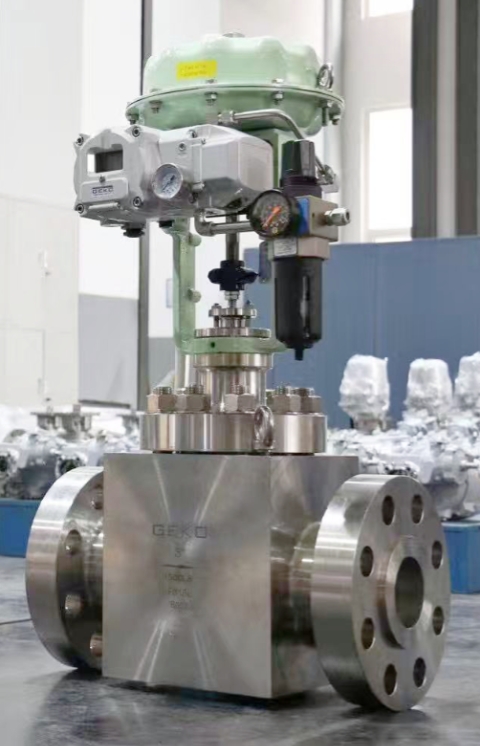
    The Ultimate Guide to Ball Valves and How to Choose Them Ball valves are the most widely used quarter-turn flow control devices in modern industrial piping systems, renowned for their bubble-tight shutoff, fast 90° operation, compact structure, and excellent long-term durability. From general water treatment and HVAC systems to high-pressure oil & gas pipelines, chemical processing, and thermal power plants, ball valves deliver reliable isolation and flow regulation for diverse working conditions. However, many engineers and procurement teams face frequent selection errors due to unclear distinctions between valve structures, sealing types, and actuation modes. This ultimate guide breaks down core ball valve classifications, working principles, key performance parameters, and step-by-step selection rules to help you pick the perfect industrial ball valve for your project. 1. What Is a Ball Valve? Core Working Principle A ball valve controls fluid flow by rotating a hollow, perforated spherical ball inside the valve body. When the ball’s bore aligns with the pipeline, the valve opens for full fluid passage; when rotated 90 degrees, the solid ball surface blocks the flow completely. Compared with gate valves and globe valves, ball valves feature simpler operation, lower industrial ball valve pressure drop, and better adaptability for automated control. With accurate ball valve Cv calculation, engineers can precisely match flow capacity to system requirements, avoiding flow bottlenecks and energy waste.   2. Main Types of Ball Valves (Core Structural Classification) Industrial ball valves are mainly categorized by ball support structure, bore design, sealing mode, and body configuration, covering all mainstream engineering models: 2.1 Floating Ball Valve vs Trunnion Mounted Ball Valve The biggest structural difference in industrial ball valves lies in ball fixation modes. A floating ball valve has an unanchored ball that floats freely under fluid pressure, pressing tightly against the downstream seat to achieve sealing. It features a simple structure, cost-effective price, and is ideal for small-size, low-to-medium pressure conventional pipelines. A trunnion mounted ball valve adopts upper and lower trunnion shafts to fix the ball, transferring fluid pressure load to the trunnion structure instead of the sealing seat. This design greatly reduces ball valve actuator torque, minimizes seat wear, and is the preferred solution for large-size, high-pressure, and high-cycle working conditions, widely applied in heavy-duty pipeline ball valve systems. 2.2 Full Port Ball Valve vs Reduced Port Ball Valve Bore size directly determines flow performance and pipeline applicability. A full port ball valve has an inner bore consistent with the pipe diameter, delivering ultra-low industrial ball valve pressure drop and supporting pipeline pigging cleaning, perfect for high-flow transfer lines and pipeline maintenance scenarios. A reduced port ball valve features a smaller inner bore, with lighter weight and lower manufacturing cost. It suits conventional isolation scenarios with no strict pressure drop requirements and no pigging demand, effectively saving project investment costs. 2.3 Metal Seated Ball Valve vs Soft Seated Ball Valve Sealing material determines the valve’s temperature, pressure, and media adaptability. Soft seated ball valves use PTFE or RTFE materials for bubble-tight zero leakage, suitable for clean, normal-temperature water, gas, and conventional chemical media. A metal seated ball valve adopts hard alloy surfacing sealing surfaces, resisting high temperature, high pressure, abrasive slurry, and frequent thermal cycling. It solves the failure problem of soft seal aging and deformation under harsh working conditions and is widely used in petrochemical, coking, and high-temperature industrial systems. 2.4 Actuated Ball Valve: Pneumatic & Electric Configurations For automated industrial systems, manual ball valves are upgraded to actuated ball valve packages, including two mainstream types: pneumatic ball valve (also named pneumatic actuated ball valve / pneumatic operated ball valve) and electric ball valve (also called electric actuated ball valve / motorized ball valve). Pneumatic models offer fast switching, explosion-proof performance, and high safety for hazardous environments; electric models support precise modulating control and stable remote signal linkage for PLC/SCADA systems. 3. Key Parameters Affecting Ball Valve Selection Blind selection by nominal pipe size is the most common engineering mistake. Standard ball valve selection must verify the following core parameters one by one: - Flow Capacity: Complete professional ball valve Cv calculation according to system flow rate, inlet and outlet pressure, and fluid viscosity to avoid oversizing or undersizing. - Pressure & Temperature Rating: Match the valve pressure class and temperature derating standard to adapt to maximum working pressure and extreme temperature changes. - Actuator Torque Matching: Calculate actual operating differential pressure to confirm ball valve actuator torque, reserve sufficient safety margin to prevent jamming or incomplete switching. - Media Compatibility: Select metal or soft sealing according to corrosive, abrasive, high-temperature characteristics of the fluid to avoid seal damage and leakage. - Pressure Drop Requirement: Choose full port ball valve for low-loss and pigging requirements, and reduced port ball valve for cost-saving conventional scenarios to control industrial ball valve pressure drop. 4. Step-by-Step Ball Valve Selection Process Follow this standardized workflow to select the most cost-effective and reliable ball valve for your system: Step 1: Confirm working conditions – Clarify fluid type, temperature, pressure, flow rate, and system functional requirements (isolation or modulation). Step 2: Determine structural type – Choose floating ball valve for small low-pressure pipelines and trunnion mounted ball valve for large high-pressure pipeline ball valve systems. Step 3: Select bore configuration – Adopt full port ball valve for high-flow low-loss scenarios and reduced port ball valve for general isolation. Step 4: Match sealing mode – Use soft seal for clean conventional media and metal seated ball valve for high-temperature abrasive and corrosive harsh media. Step 5: Confirm actuation mode – Select manual, pneumatic ball valve, or electric ball valve according to on-site power/air source conditions and automation needs. Step 6: Verify core parameters – Complete ball valve Cv calculation and ball valve actuator torque verification to ensure full compliance with system operating conditions. 5. Common Selection Mistakes & Avoidance Tips - Mistake 1: Selecting by pipe size only – Nominal size cannot represent flow capacity. Must rely on ball valve Cv calculation for accurate matching. - Mistake 2: Confusing full port and reduced port – Wrong bore selection leads to excessiveindustrial ball valve pressure drop or failed pipeline pigging. - Mistake 3: Unmatched actuator torque – Ignoring actual differential pressure causes insufficient ball valve actuator torque, resulting in unsmooth switching. - Mistake 4: Misapplied sealing structure – Using soft seals for high-temperature abrasive media leads to rapid aging and failure; harsh working conditions must adopt metal seated ball valve. 6. Industrial Applications of Ball Valves Different ball valve types correspond to exclusive industrial scenarios: floating ball valve and conventional soft-seal valves are widely used in water treatment, HVAC, and general chemical pipelines; heavy-duty trunnion mounted ball valve and metal seated ball valve serve oil & gas, petrochemical, thermal power, and mining industries; automated pneumatic ball valve and electric ball valve are core components of intelligent pipeline control systems, supporting remote monitoring and automatic adjustment. 7. Why Choose GEKO Valve Ball Valves GEKO Valve provides a full range of customized industrial ball valves, including floating ball valve, trunnion mounted ball valve, full port ball valve, reduced port ball valve, metal seated ball valve, and automated actuated ball valve packages (pneumatic and electric). We provide professional ball valve Cv calculation and ball valve actuator torque verification services, effectively controlling industrial ball valve pressure drop for each project. All products comply with international standards, with stable performance, long service life, and low maintenance costs, providing reliable fluid control solutions for global industrial piping systems. Core SEO Keywords: floating ball valve, trunnion mounted ball valve, full port ball valve, reduced port ball valve, metal seated ball valve, pipeline ball valve, ball valve Cv calculation, industrial ball valve pressure drop, ball valve actuator torque, pneumatic ball valve, electric ball valve, actuated ball valve
    DEVAMINI OKU
  • Endüstriyel Küresel Vanalar İçin Temel Alıcı Rehberi | GEKO Vana
    Endüstriyel Küresel Vanalar İçin Temel Alıcı Rehberi | GEKO Vana
    Aug 08, 2026
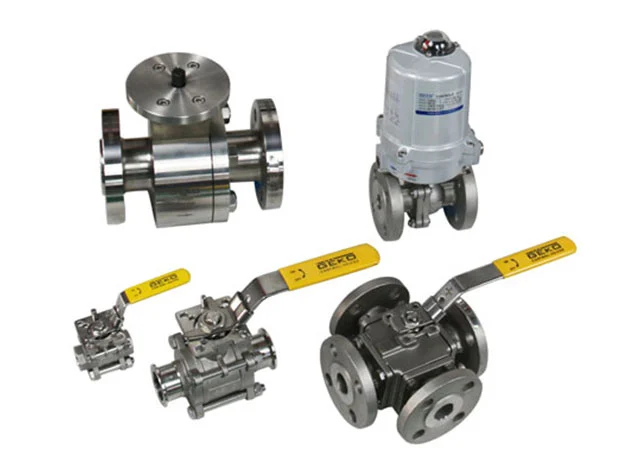
    Endüstriyel Küresel Vanalar İçin Temel Alıcı RehberiYüksek kaliteli endüstriyel küresel vanaların tedariği, endüstriyel proje tedariki, boru hattı sistemi inşaatı ve ekipman bakımı için en kritik adımlardan biridir. Birçok alıcı, temel teknik parametreleri, malzeme uyumluluğunu, yapısal tasarımı ve tedarikçi yeterlilik doğrulamasını göz ardı ederek yalnızca fiyat, boyut ve teslim süresine odaklanmaktadır. Yanlış tedarik, sık vana sızıntısına, conta arızasına, kısa kullanım ömrüne, planlanmamış sistem duruşlarına ve uzun vadeli işletme maliyetlerinde artışa yol açar.  Bu temel satın alma kılavuzu, güvenilir endüstriyel küresel vanaların tedarikine yönelik her önemli adımı kapsamakta olup, satın alma mühendislerine, proje yöneticilerine ve sistem entegratörlerine petrokimya, enerji santrali, su arıtma, doğal gaz ve kimya endüstriyel boru sistemleri için uygun maliyetli, güvenli ve mevzuata uygun satın alma kararları vermelerinde yardımcı olmaktadır.  1. Talepte bulunmadan önce çalışma koşullarının tam gereksinimlerini teyit edin.Belirsiz teknik gereksinimler, yanlış vana tedarikinin en önemli nedenidir. Tedarikçilerle iletişime geçmeden önce, alıcılar %100 model uyumluluğunu sağlamak için sahadaki çalışma parametrelerini tam olarak netleştirmelidir.- Akışkan Ortam: Temiz su, buhar, ham petrol, doğal gaz, aşındırıcı kimyasal sıvı, bulamaç veya kriyojenik ortam gibi ortamları açıkça tanımlayın. Ortam özellikleri, valf gövdesi malzemesini, conta tipini ve korozyon önleyici konfigürasyonu belirler.- Basınç ve Sıcaklık Aralığı: Nominal basıncı, maksimum anlık basınç artışını, sürekli çalışma sıcaklığını ve aşırı sıcaklık koşullarını doğrulayın. Basınç sınıfı (Sınıf 150 ila Sınıf 900) ve sıcaklık dayanımı, vananın yapısal güvenliğini doğrudan belirler.- Vana Fonksiyonu: Tam kapatma hizmeti veya oransal akış düzenleme hizmetini ayırt eder. Standart küresel vanalar açma/kapama izolasyonu için kullanılırken, V-port küresel vanalar hassas akış modülasyonu için gereklidir.- Boru Hattı Özellikleri: Boru çapını, tam veya daraltılmış port talebini ve flanşlı, dişli, alın kaynaklı ve soket kaynaklı dahil olmak üzere uç bağlantı tipini onaylayın.- Çalışma Modu: Otomatik kontrol sistemi gereksinimlerine ve sahadaki güç/gaz koşullarına göre manuel, pnömatik, elektrikli veya hidrolik çalıştırma seçeneklerinden birini seçin. 2. Doğru Küresel Vana Yapı Tipini SeçinFarklı küresel vana yapıları, tamamen farklı uygulama senaryolarına karşılık gelir. Doğru yapıyı seçmek, aşırı özellik belirleme nedeniyle oluşabilecek maliyet israfını veya yetersiz özellik belirleme nedeniyle oluşabilecek güvenlik risklerini önler.- Şamandıralı Küresel Vana: Küçük boyutlu, düşük ila orta basınçlı genel endüstriyel boru hatları için idealdir. Su arıtma, hafif kimyasal ve genel gaz sistemleri için basit yapı ve uygun maliyetli çözümdür.- Mil Yataklı Küresel Vana: Geniş çaplı, yüksek basınçlı ve sık anahtarlama gerektiren çalışma koşulları için tasarlanmıştır. Düşük tork değeri ve uzun hizmet ömrü ile petrol ve gaz iletimi, enerji santralleri ve ağır petrokimya projeleri için uygundur.- Üç Parçalı Küresel Vana: Boru hattının sökülmesine gerek kalmadan kolay hat içi bakım imkanı sunar; düzenli kontrol ve temizlik gerektiren ekipmanlar için idealdir.- Özel Küresel Vanalar: Akış düzenlemesi için V-port vanaları, gıda ve ilaç endüstrileri için hijyenik vanalar, ultra düşük sıcaklık ortamları için kriyojenik vanalar ve sıvı yönlendirme ve karıştırma sistemleri için çok yollu vanalar arasından seçim yapabilirsiniz. 3. Gövde ve Conta Malzemesinin Uyumluluğunu DoğrulayınÇalışma sırasında küresel vanaların erken arızalanmasının ana nedeni malzeme uyumsuzluğudur. Alıcılar, malzeme standartlarını gerçek ortam özelliklerine göre doğrulamalıdır:- WCB Karbon Çelik: Enerji santrali yardımcı boru hatlarında buhar, genel yağ ve aşındırıcı olmayan ortamlar için uygundur.- SS304/SS316 Paslanmaz Çelik: Su, zayıf asit, alkali ve genel aşındırıcı kimyasal ortamlarda kullanım için uygundur.- Dubleks Çelik: Deniz suyu, tuzlu su ve yüksek derecede aşındırıcı çalışma ortamlarında kullanılır.- Yumuşak Conta (PTFE/RPTFE/PEEK): Normal ve orta sıcaklıklarda temiz ortam için hava geçirmez bir kapanma sağlar.- Metalden Metale Sert Oturma Yüzeyi: Yüksek sıcaklık, yüksek basınç, aşındırıcı bulamaç ve yüksek hızlı akışkan koşulları için tasarlanmıştır. 4. Standart Güvenlik ve Endüstriyel Sertifikaları Kontrol EdinNitelikli endüstriyel küresel vanalar, proje güvenliğini sağlamak ve mühendislik denetiminden geçmek için uluslararası endüstri standartlarına uygun olmalıdır. Profesyonel tedarik, temel sertifikaları doğrulamalıdır:- API 6D petrol ve doğal gaz endüstri standardı- ISO 9001 kalite yönetim sistemi sertifikası- Avrupa pazarı için CE güvenlik sertifikası- Yanıcı madde boru hatları için yangına dayanıklılık ve antistatik sertifikasyon.- Malzeme Test Raporu (MTR) ve fabrika inceleme raporu5. Satın Alma Maliyeti ve Uzun Vadeli Yaşam Döngüsü Değeri Arasındaki Denge Birçok alıcı, tedarik sürecinde yalnızca düşük başlangıç ​​satın alma fiyatlarını hedeflemektedir. Düşük maliyetli küresel vanalar genellikle düşük kaliteli hammaddeler, kaba döküm ve basitleştirilmiş sızdırmazlık yapıları kullanır. Başlangıç ​​maliyeti düşük olsa da, kolayca sızıntıya, sıkışmaya ve sık değiştirme ihtiyacına neden olarak genel işletme ve bakım maliyetlerini artırırlar.Profesyonel tedarik, vanaların kullanım ömrü, bakım döngüsü, yedek parça evrenselliği ve satış sonrası servis yanıt hızı gibi unsurların kapsamlı bir şekilde değerlendirilmesini gerektirir; geçici düşük fiyattan ziyade uzun vadeli istikrarlı çalışma değerine öncelik verilir. 6. Tedarikçinin Güçlü Yönlerini ve Hizmet Kapasitesini DeğerlendirinMükemmel ürün kalitesi, güvenilir üreticilere bağlıdır. Endüstriyel küresel vanalar tedarik ederken, alıcılar aracı firmalardan ziyade fabrika gücüne odaklanmalıdır:- Eksiksiz üretim ve test ekipmanına sahip profesyonel vana imalat fabrikası- Enerji, petrokimya ve su arıtma sektörlerinde zengin proje deneyimi- Özelleştirilebilir parametreler, özel malzeme konfigürasyonu ve OEM hizmeti desteği.- İstikrarlı teslimat döngüsü ve mükemmel satış sonrası teknik destek 7. Kurulum, Bakım ve Satış Sonrası Hizmet Şartlarını OnaylayınSiparişleri kesinleştirmeden önce, ürün garanti süresi, yerinde kurulum kılavuzu, arıza giderme verimliliği ve yedek parça temini dahil olmak üzere ayrıntılı satış sonrası koşullarını onaylayın. Endüstriyel küresel vanalar, uzun vadeli boru hattı destek ekipmanıdır ve mükemmel satış sonrası hizmet, ürün arızalarından kaynaklanan proje gecikmelerini etkili bir şekilde önleyebilir.Tedarik Sürecinde Kaçınılması Gereken Yaygın Hatalar- Yüksek basınç, yüksek sıcaklık veya aşındırıcı özel çalışma koşulları için genel amaçlı vanaların seçimi- Maliyet düşürme amacıyla malzeme test raporlarını ve sektör sertifikalarını göz ardı etmek- Basınç sınıfı ve akış gereksinimlerini dikkate almadan yalnızca boru boyutunu eşleştirmek.- Ana akım boru hattı sistemlerine ve aktüatörlere uymayan standart dışı vanaların satın alınması ÇözümEndüstriyel küresel vanaların tedariği, basit fiyat karşılaştırmasından ziyade, çalışma koşulları, yapısal tip, malzeme konfigürasyonu, güvenlik sertifikasyonu, tedarikçi gücü ve yaşam döngüsü maliyeti gibi unsurların kapsamlı bir şekilde değerlendirilmesini gerektiren sistematik bir teknik çalışmadır. Standartlaştırılmış tedarik süreçleri, ürün arızalarını, proje yeniden işlemelerini ve ekonomik kayıpları etkili bir şekilde önleyebilir.GEKO Valve, yüzer küresel vanalar, mafsallı küresel vanalar, üç parçalı küresel vanalar ve özel olarak tasarlanmış küresel vanalar üreten profesyonel bir endüstriyel küresel vana üreticisidir. Küresel endüstriyel borulama projeleri için tek elden teknik seçim, özelleştirilmiş üretim, istikrarlı teslimat ve eksiksiz satış sonrası hizmet sunarak, endüstriyel alıcılar için güvenilir ve uzun vadeli bir tedarik ortağı haline gelmiştir.
    DEVAMINI OKU
  • Küresel Vanaların Sınıflandırılması
    Küresel Vanaların Sınıflandırılması
    Jun 04, 2022
    Küresel vananın açılıp kapanan kısmı, kanala dik bir eksen etrafında dönen dairesel kanallı bir küredir ve küre, vana gövdesiyle birlikte dönerek kanalı açıp kapama işlevini yerine getirir. Küresel vana, yalnızca 90 derecelik bir dönüş hareketi ve düşük bir torkla sıkıca kapatılabilir. Elektrikli küresel vanalar, pnömatik küresel vanalar, hidrolik küresel vanalar vb. gibi farklı tahrik düzenekleri, çalışma koşullarının ihtiyaçlarına göre farklı kontrol yöntemlerine sahip küresel vanalar oluşturmak üzere birleştirilebilir. Yapısına göre şu şekilde ayrılabilir:  1. Yüzer Küresel Vana  Küresel vananın küresi yüzer. Orta basıncın etkisi altında küre, belirli bir yer değiştirme üretebilir ve çıkış ucunun sızdırmazlık yüzeyine sıkıca bastırarak çıkış ucunun sızdırmazlığını sağlar. Yüzer küresel vananın yapısı basittir ve sızdırmazlık performansı iyidir, ancak çalışma ortamını taşıyan bilyenin yükü tamamen çıkış sızdırmazlık halkasına aktarılır, bu nedenle sızdırmazlık halkası malzemesinin küresel ortamın çalışma yüküne dayanıp dayanamayacağının değerlendirilmesi gerekir. Bu yapı, orta ve düşük basınçlı küresel vanalarda yaygın olarak kullanılır.  2. Sabit Küresel Vana  Küresel vananın bilyesi sabittir ve basıldıktan sonra hareket etmez. Sabit küresel vananın hareketli bir valf yatağı vardır. Ortam tarafından basınçlandırıldıktan sonra valf yatağı hareket eder, böylece sızdırmazlık halkası bilyeye sıkıca bastırılarak sızdırmazlık sağlanır. Rulmanlar genellikle bilye ile birlikte üst ve alt millere monte edilir ve çalışma torku düşüktür, bu da yüksek basınçlı ve büyük çaplı vanalar için uygundur. Küresel vananın çalışma torkunu azaltmak ve contanın kullanılabilirliğini artırmak için son yıllarda yağ sızdırmaz küresel vanalar ortaya çıkmıştır. Sızdırmazlık yüzeyleri arasına özel yağlama yağı enjekte edilerek bir yağ filmi oluşturulur. Bu, sızdırmazlık performansını artırmanın yanı sıra çalışma torkunu da azaltır. Yüksek basınçlı ve büyük çaplı küresel vanalar için daha uygundur.  3. Elastik Küresel Vana  Küresel vananın küresi elastiktir. Hem küre hem de vana yuvası conta halkası metal malzemelerden yapılmıştır ve sızdırmazlık özgül basıncı çok yüksektir. Ortamın kendi basıncına göre, basınç sızdırmazlık gereksinimlerini karşılayamaz ve dışarıdan kuvvet uygulanması gerekir. Bu vana, yüksek sıcaklık ve yüksek basınçlı ortamlar için uygundur. Elastik küre, kürenin iç duvarının alt ucunda elastik bir oluk açılarak elastikiyet elde edilir. Kanal kapatıldığında, valf gövdesinin kama başlığı, küreyi genişletip valf yuvasını sıkıştırarak sızdırmazlık sağlar. Küreyi çevirmeden önce kama başlığını gevşetin; küre orijinal şekline geri döner, böylece küre ile valf yuvası arasında küçük bir boşluk kalır ve bu da sızdırmazlık yüzeyinin sürtünmesini ve çalışma torkunu azaltabilir. Yaygın olarak kullanılan küresel vana sınıflandırma yöntemleri aşağıdaki gibidir: Basıncın büyüklüğüne göre: yüksek basınç küresel vana, orta basınç küresel vana, düşük basınç küresel vana Akış kanalı türüne göre: tam delikli küresel vana, daraltılmış delikli küresel vana Kanal konumuna göre: düz, üç yollu, dik açılı Sıcaklığa göre: yüksek sıcaklık küresel vanası, normal sıcaklık küresel vanası, düşük sıcaklık küresel vanası, ultra düşük sıcaklık küresel vanası Sızdırmazlık şekline göre: yumuşak sızdırmazlık küresel vana, sert sızdırmazlık küresel vana Mil bazında montaj: üstten girişli küresel vana, yandan girişli küresel vana Bağlantı şekline göre: flanşlı küresel vana, kaynaklı küresel vana, dişli küresel vana, kelepçeli küresel vana Sürüş yöntemine göre: manuel küresel vana, otomatik kontrol küresel vana (pnömatik küresel vana, elektrikli küresel vana, hidrolik küresel vana) Kalibre boyutuna göre: süper büyük çaplı küresel vana, büyük çaplı küresel vana, orta çaplı küresel vana, küçük çaplı küresel vana.
    DEVAMINI OKU

mesaj bırakın

mesaj bırakın
Ürünlerimizle ilgileniyorsanız ve daha fazla ayrıntı öğrenmek istiyorsanız, lütfen buraya bir mesaj bırakın, mümkün olan en kısa sürede size cevap vereceğiz.
GÖNDERMEK

EV

ÜRÜNLER

temas etmek