Manşonlu (Ferrule) ve Yağlanmış Yağ Keçeli Tapa Vanaları: Başlıca Yapısal Farklılıklar | GEKO Vana
Aug 25, 2026
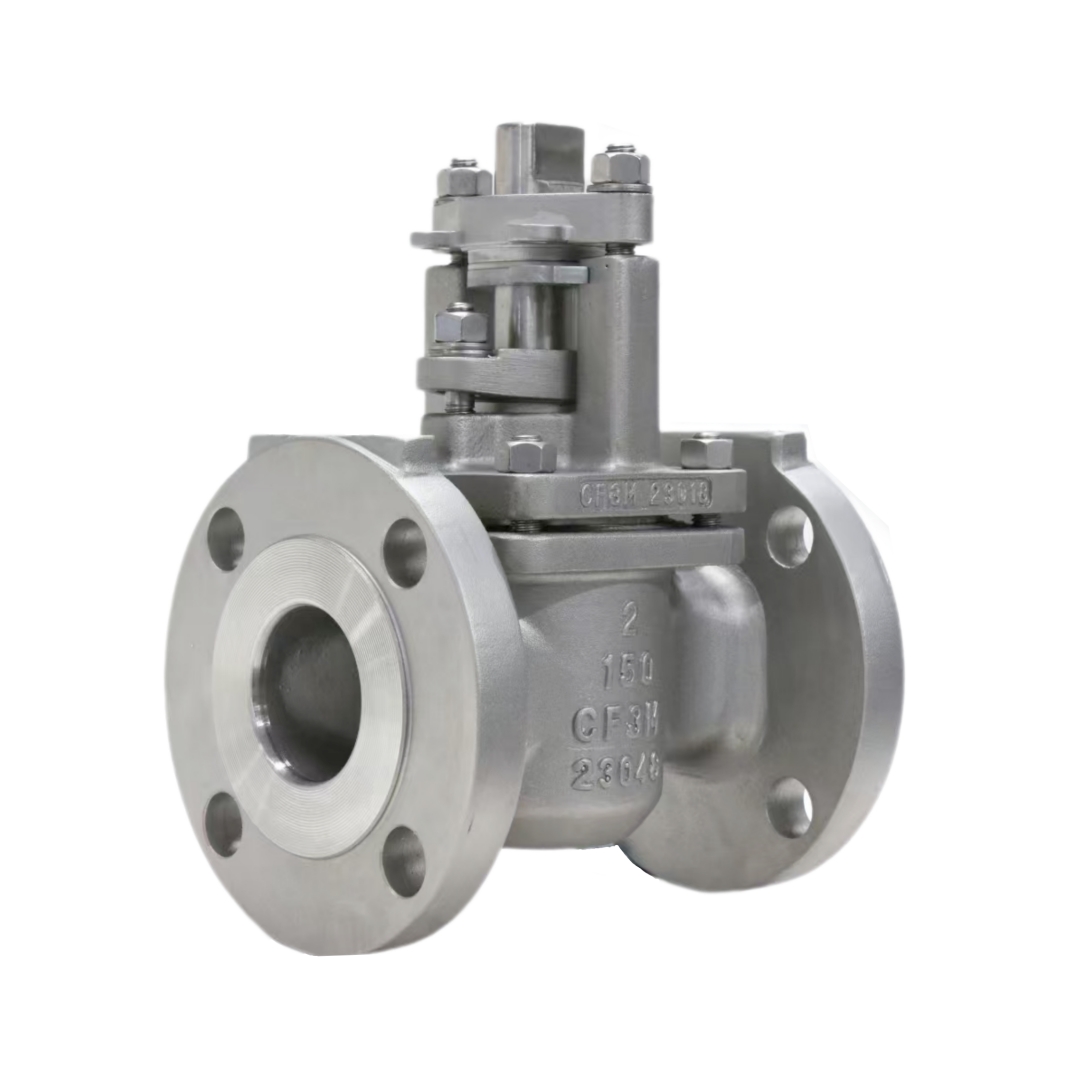
Manşonlu (Ferrule) ve Yağlanmış Yağ Keçeli Tapa Vanaları: Başlıca Yapısal FarklılıklarEndüstriyel seçim yaparken tıkaç vanaları Proses borularında en yaygın sızdırmazlık yapısı seçeneklerinden ikisi şunlardır: manşon astarlı (ferrule) tapa vanası ve yağ keçesi / yağlanmış tapa vanasıHer ikisi de çeyrek turda açma-kapama izolasyonu sağlasa da, sızdırmazlık prensipleri, bakım iş akışları, ortam uyumluluğu ve kullanım ömrü özellikleri önemli ölçüde farklılık gösterir. Projenizin hangisine ihtiyaç duyduğunu anlamak önemlidir. PTFE kılıf veya PTFE sızdırmazlık bileşenleri Kimyasal, petrol-gaz, rafineri ve su arıtma sistemlerinde kirlenmeyi, sık onarımları ve beklenmedik arızaları önlemek için gres enjekte edilmiş metalden metale sızdırmazlık yönteminin kullanılması şarttır.Manşonlu (Ferrule) Tapa Vanası Nedir?O manşon astarlı tıkaç vanası — ferrule tipi, yağsız veya manşonlu tapa vanası olarak da bilinen — vana gövdesi boşluğuna sıkıca yerleştirilmiş değiştirilebilir bir astara dayanır. Çoğu ağır hizmet tipi, aşındırıcı ortamlarda kullanılan modellerde, bu kritik astar katı malzemeden üretilmiştir. PTFE kılıf veya güçlendirilmiş PTFE sızdırmazlık bileşenleriKonik tapa, PTFE kılıfın iç yüzeyine doğrudan döner ve kılıfın hafif elastik deformasyonu, tapa ile gövde arasında sızdırmazlık sağlayan, sızdırmazlık arayüzünde metal-metal temasının sıfır olduğu bir kapanma oluşturur.Rutin çalışma sırasında gres, sızdırmazlık malzemesi veya enjekte edilen yağlayıcıya gerek yoktur. PTFE'nin doğal düşük sürtünme özelliği, sorunsuz çeyrek dönüşlü çalışma sağlar. Bu kendinden yağlama özelliği, PTFE kılıflı tapa vanası İnce kimyasal, ilaç, gıda ve ultra saf su boru hatları gibi sızdırmazlık yağının çalışma sıvısını kirletebileceği prosesler için idealdir.Yağ Keçeli / Yağlanmış Tapa Vanası Nedir?Bir yağ keçesi veya yağlanmış tapa vanası Konik tapa ile gövde yuvası arasında metalden metale temas kullanır. Sızdırmazlık ve sürtünme azaltma sistemi, valf kapağına işlenmiş özel gres enjeksiyon portlarından periyodik olarak özel sızdırmazlık gresinin enjekte edilmesine bağlıdır. Enjekte edilen yağlayıcı, metal oturma yüzeyleri boyunca ince bir yağ sızdırmazlık filmi oluşturarak hem çalışma torkunu azaltır hem de mikroskobik boşlukları doldurarak sıkı bir kapanma sağlar. Manşon astarlı varyanttan farklı olarak, yerleşik bir sistem bulunmamaktadır. PTFE sızdırmazlık bileşenleri Birincil sızdırmazlığı oluşturmak için. Bakım, sızdırmazlık performansını sürdürmek için düzenli olarak sızdırmazlık malzemesi takviyesini içermelidir; ihmal edilen yağlama, aşınmaya, yuva çizilmesine ve yüksek basınçlı gaz veya hidrokarbon hatlarında sızıntıya yol açacaktır.Temel Yapısal Karşılaştırma: Manşonlu (Ferrule) ve Yağlanmış Yağ Keçeli Tapa VanalarıSızdırmazlık Bileşenleri: Manşon astarlı (ferrule): DeğiştirilebilirPTFE kılıftakviyeli PTFE astar veya diğer polimerPTFE sızdırmazlık bileşenleriYağlanmış yağ keçesi: Metalden metale sızdırmazlık, yağlayıcı filme bağlı, PTFE birincil sızdırmazlık yok.Yağlama Gereksinimi:Kılıf astarlı: Yağlama gerektirmez, PTFE malzeme özellikleri sayesinde kendiliğinden yağlanır. Yağlı yağ keçesi: Periyodik olarak sızdırmazlık gresi enjekte edilmelidir.Medya Kirlenme Riski:Manşonlu: Gres kontaminasyonu riski sıfır. Yağlanmış yağ keçesi: Enjekte edilen yağlayıcının proses ortamına girme potansiyeli.Bakım Odak Noktası:Kolları astarlı: Aşınmış olanları kontrol edin ve değiştirin.PTFE kılıf Planlandığı gibi. Yağlanmış yağ keçesi: Düzenli gres enjeksiyonu, metal yuva kontrolü ve yeniden taşlama.Tipik Servis Eşleşmesi:Kol kısmı astarlı (ferrule)PTFE sızdırmazlık bileşenleriAşındırıcı kimyasallar, temiz ortamlar, bulamaç, kirlenmeye duyarlı akışlar. Yağlanmış yağ keçesi: Yüksek basınçlı doğal gaz boru hatları, ham petrol transferi, rafineri hidrokarbon izolasyonu.Her bir tapa vana tasarımının ortak sınırlamalarıO PTFE kılıflı tapa vanası PTFE performansıyla belirlenen sıcaklık sınırlarına sahiptir. Aşırı yüksek sıcaklıklarda,PTFE kılıf Sızıntı veya bozulma meydana gelebilir, bu nedenle yüksek ısıda hidrokarbon hizmeti genellikle yağlanmış metal contalı tapa vana çözümü için daha uygundur. Bu arada, yağlanmış yağ keçeli tapa vanaları Enjekte edilen gres kirlenme riski taşıdığından ve katı maddeler korumasız metal oturma yüzeylerine zarar verebileceğinden, aşındırıcı ortamlar, aşındırıcı bulamaçlar veya temiz işlem sıvılarıyla kötü performans gösterirler.Manşonlu (ferrule) ve Yağlanmış Yağ Keçeli Tapa Vanaları Arasında Nasıl Seçim Yapılır?Seçiminize üç temel mühendislik sorusunu yanıtlayarak başlayın. Birincisi: Proses sıvım yağ kirliliğine dayanabilir mi? Cevap hayır ise, bir seçenek belirleyin. manşon astarlı tıkaç vanası güvenilir bir şekilde donatılmışPTFE sızdırmazlık bileşenleriİkinci olarak: Maksimum çalışma sıcaklığı, basıncı ve kimyasal korozyon seviyeleri nelerdir? Yüksek sıcaklıktaki hidrokarbon hizmetleri genellikle yağlanmış yağ keçesi yapılarını tercih eder; aşındırıcı kimyasallar neredeyse her zaman birPTFE kılıf astarlı yüksük tapa vanasıÜçüncüsü: Bakım ekibinizin periyodik gres enjeksiyon hizmeti için planlı erişimi var mı? Yerinde yağlama bakımının zor olduğu durumlarda, yağsız PTFE kılıf tasarımı uzun vadeli operasyonel iş yükünü önemli ölçüde azaltır.GEKO Vana Özel Tasarım Tapa Vana ÇözümleriGEKO Valve her ikisini de tedarik etmektedir. manşon astarlı (ferrule) tapa vanaları birinci sınıf ile PTFE kılıf ve güçlendirildiPTFE sızdırmazlık bileşenleriağır hizmet tipi ekipmanların yanında yağlanmış yağ keçeli tapa vanaları API-599 endüstriyel standartlarına göre üretilmiştir. Mühendislik ekibimiz, boru sisteminizin basınç, sıcaklık, ortam uyumluluğu ve bakım programı gereksinimlerine en uygun sızdırmazlık yapısı çözümünü bulmanıza yardımcı olabilir.SEO Anahtar Kelimeleri: Manşonlu Tapa Vanası, Yüksük Tapa Vanası, Yağlı Tapa Vanası, Yağ Sızdırmazlık Tapa Vanası, PTFE Manşonlu Tapa Vanası, PTFE Sızdırmazlık Bileşenleri, Yağsız Tapa Vanası, Manşonlu Tapa Vanası, Endüstriyel Tapa Vanası Karşılaştırması
DEVAMINI OKU






 E-posta
: info@geko-union.com
E-posta
: info@geko-union.com
 E-posta
: info@geko-valves.de
E-posta
: info@geko-valves.de
 E-posta
: tw@geko-union.com
E-posta
: tw@geko-union.com
 E-posta
: nl@geko-union.com
E-posta
: nl@geko-union.com



 IPv6 ağı desteklenir


